Written scope
Panel check result and firm price
NEMA 14-50 Outlet Installation Redondo Beach CA gives you a dedicated 240V circuit that charges most EVs at 30 to 40 miles of range per hour. We handle the panel check, the 6 AWG copper run, the 240V circuit breaker, and the permit so your Level 2 EV charger is ready the same day. If your garage only has a 120V outlet, this is the upgrade that ends overnight trickle charging.
Every job starts with a panel check and a load calculation, then moves to materials and labor. Here is what is covered in a standard quote, and what we price separately if your home needs it.
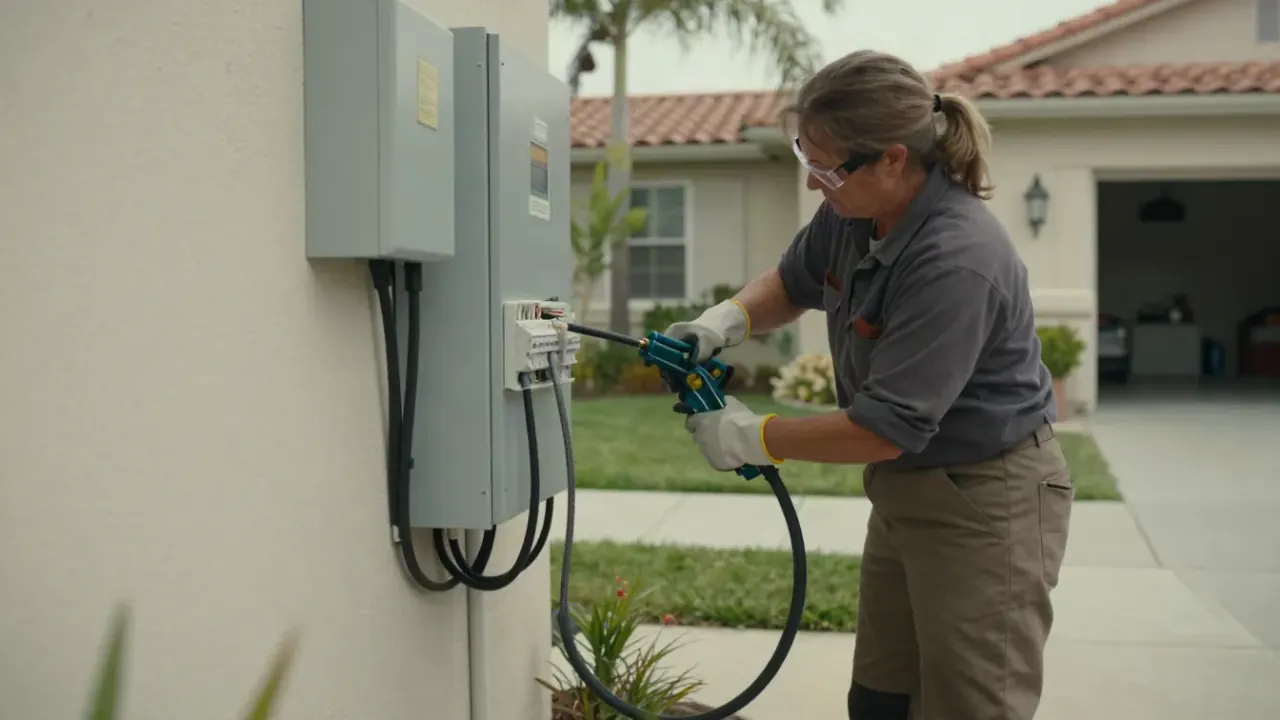
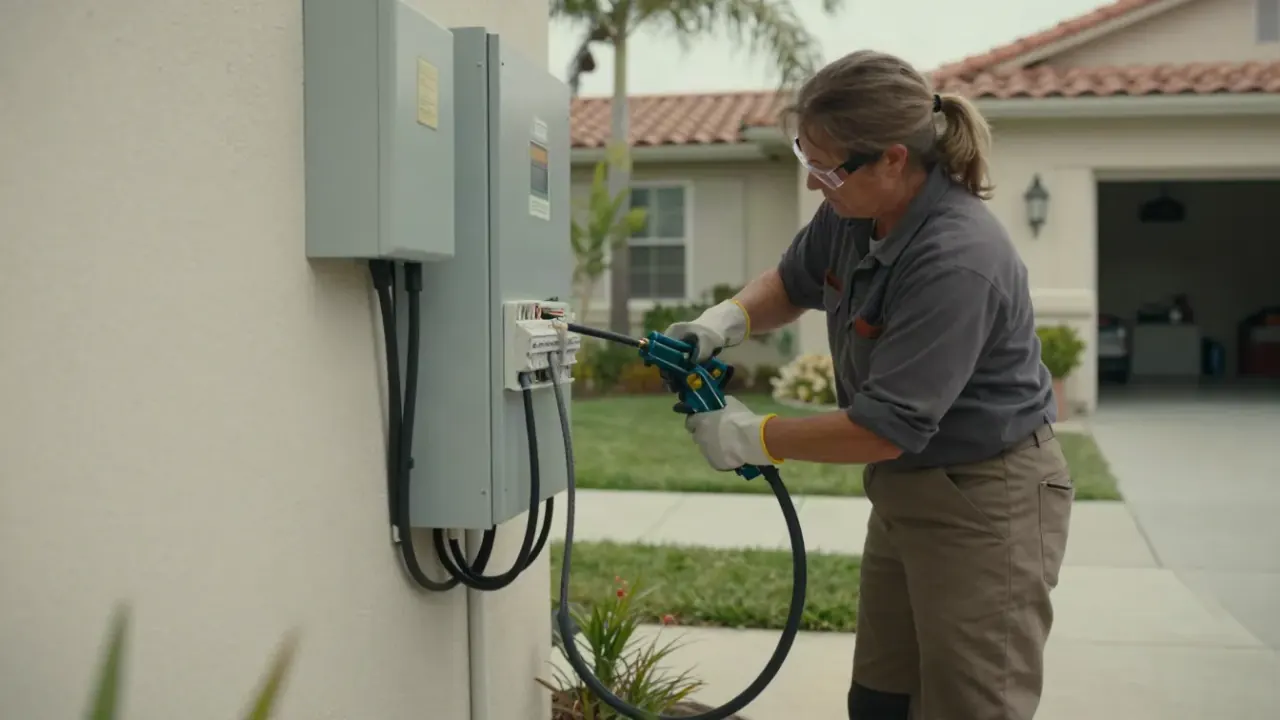
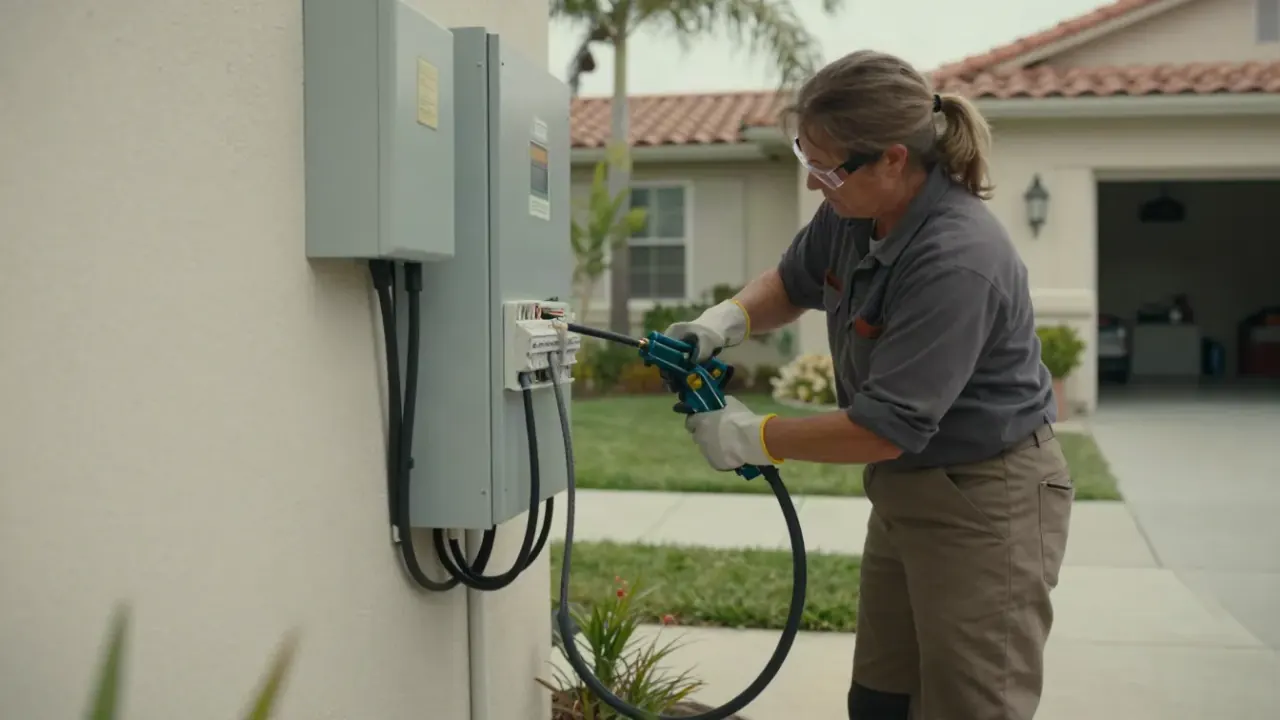
We wire 240V outlets in attached garages, detached garages, and carports across Redondo Beach. Every job starts with a panel check so you know the circuit fits before we cut anything.
We install 240V circuits for shared garages, offices, and small retail lots. Property managers get load documentation and a labeled panel for each circuit we add.
A NEMA 14-50 Outlet Installation Redondo Beach CA is the work of running a dedicated 240V circuit from your electrical panel to a four-prong receptacle rated for 50 amps. We pull 6 AWG copper wire through conduit, land it on a 240V circuit breaker, and terminate the outlet with a torque screwdriver set to the manufacturer's spec. That outlet then feeds a Level 2 EV charger, a Tesla Wall Connector with the right adapter, or a portable charger you keep in the trunk.
Most Redondo Beach homes built before 1980 have a 100-amp panel and a garage fed by a single 15-amp circuit. Adding a 50-amp EV outlet installation in Redondo Beach means we first run a load calculation under NEC Article 220 to see whether your service can carry the new circuit. If it can't, we quote a subpanel or a panel upgrade before we cut drywall. That order of operations saves you from a failed inspection and a second trip.
A 50-amp circuit is only as good as the copper and the torque behind it.
Five steps, one visit for most homes, and a written price before we start. Here is exactly what happens from your first call to the moment your charger powers up.
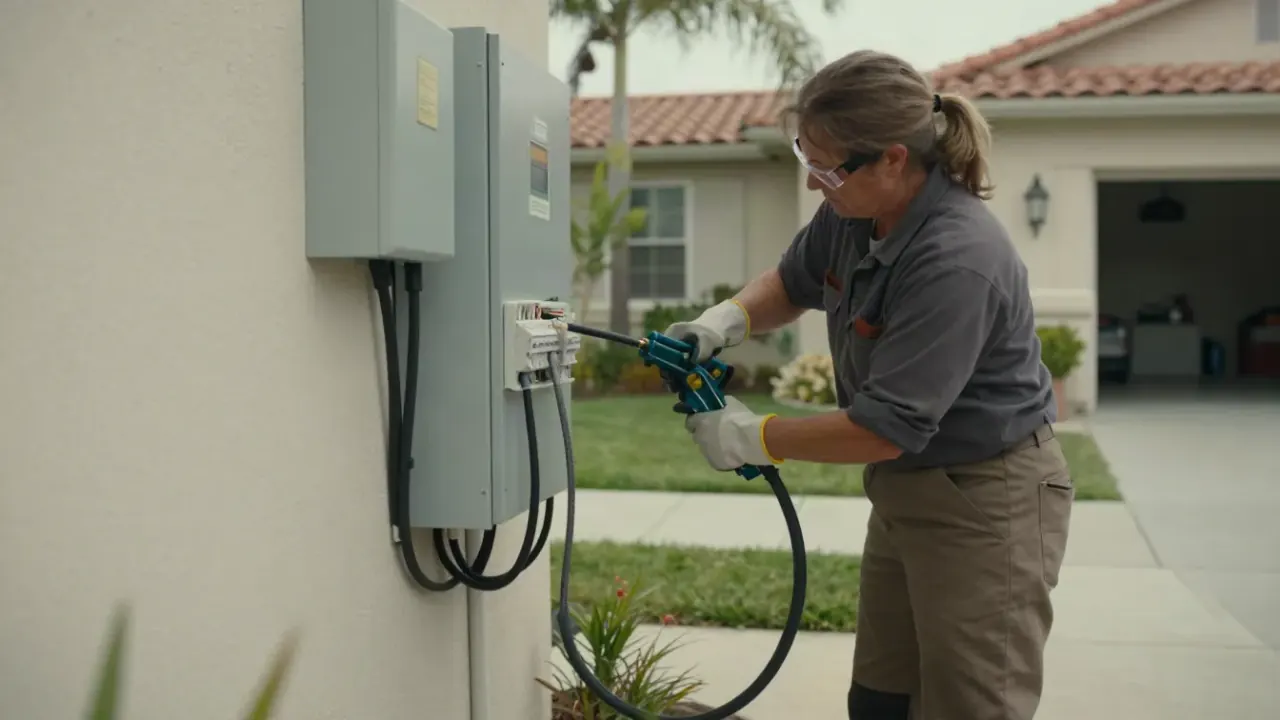
We ask for your panel size, panel brand, charger model, and the distance from panel to parking spot. That five-minute call tells us whether you need a load calculation, a subpanel, or just a straightforward run. You get a ballpark range on the phone and a firm number after we see the panel.
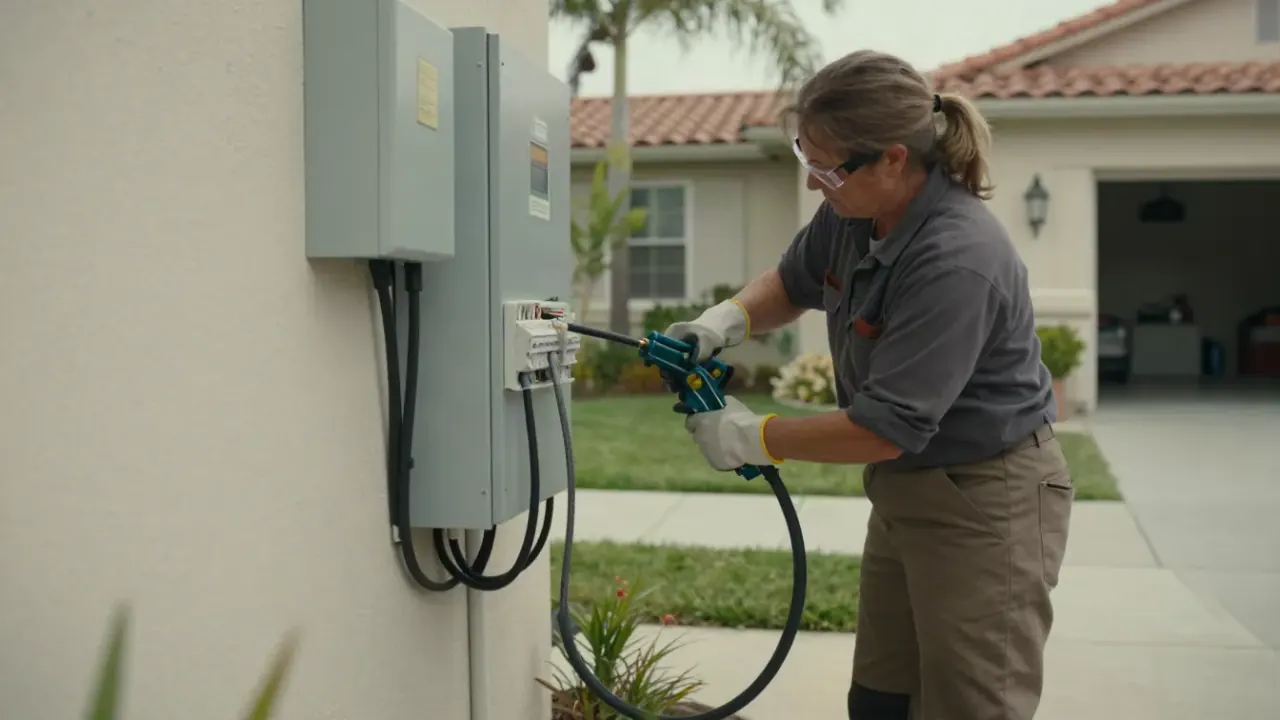
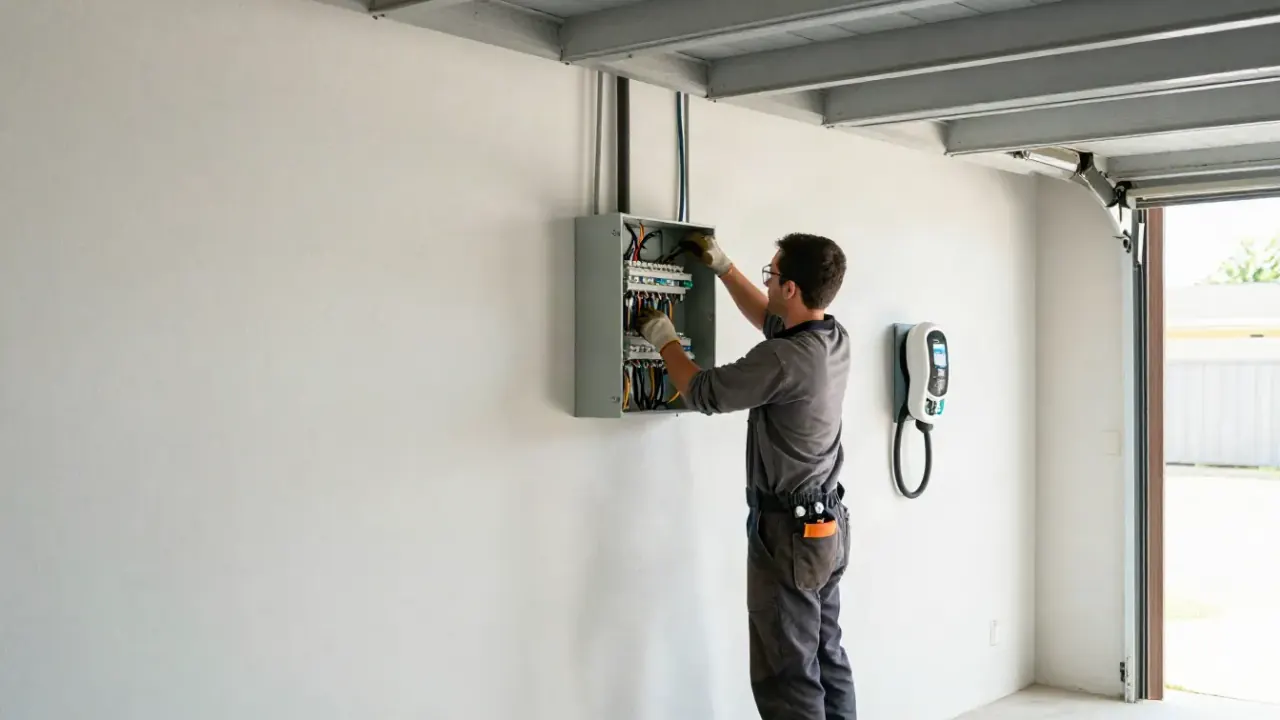
A licensed C-10 electrician opens the panel, photographs the bus, and runs the NEC Article 220 load calculation. We check available breaker slots, wire gauge on the service entrance, and whether your meter main has room. This takes 20 to 30 minutes and decides the whole scope.
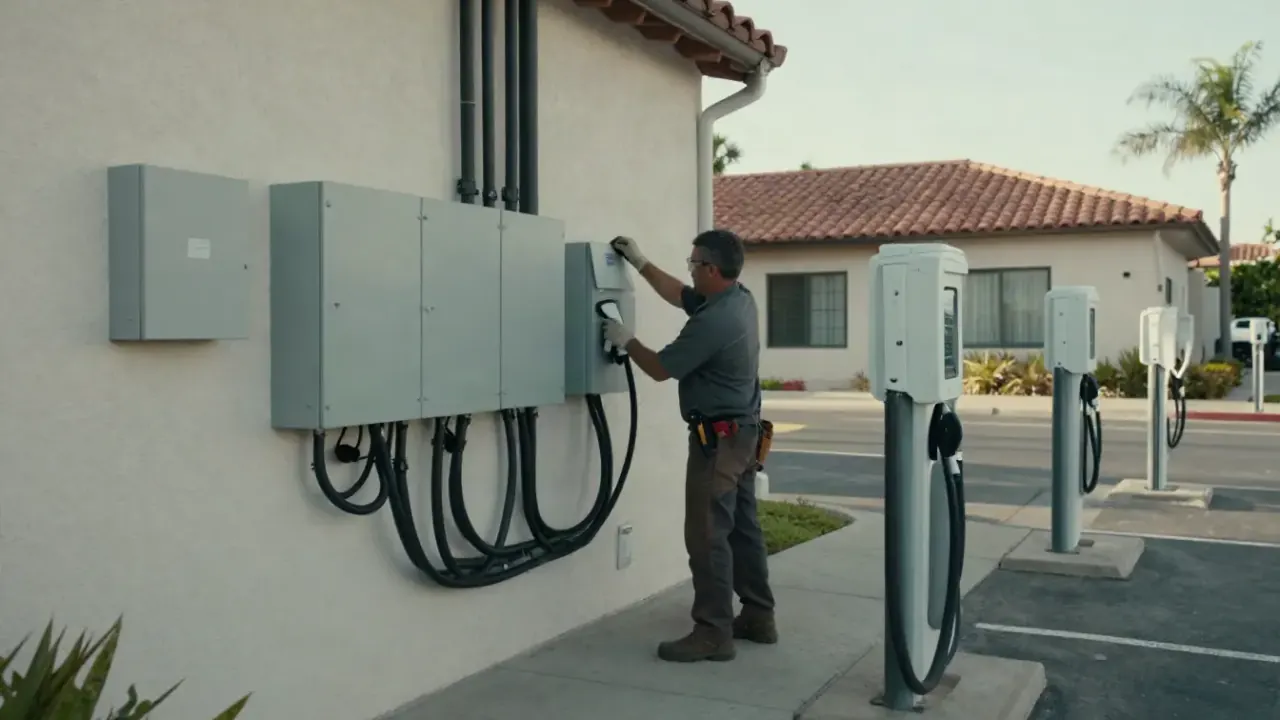
We file the electrical permit with the City of Redondo Beach and order the parts: 6 AWG copper, conduit, a 50-amp 240V circuit breaker, a NEMA 14-50 receptacle, and a mounting bracket. Most jobs are scheduled within two to five business days of the site visit.
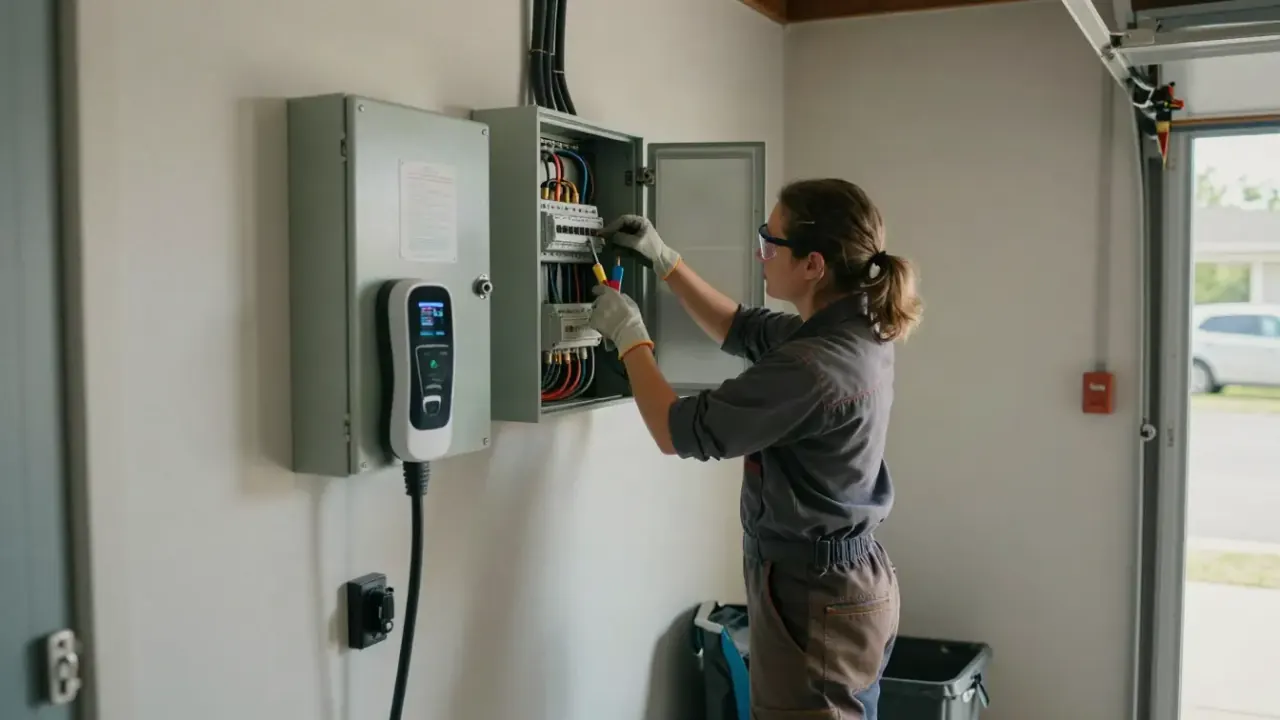
We run the circuit, mount the outlet at 48 inches or wherever your charger cable reaches comfortably, and torque every termination to spec. A typical garage run takes three to five hours. We protect floors, patch small drywall cuts, and clean up before we leave.
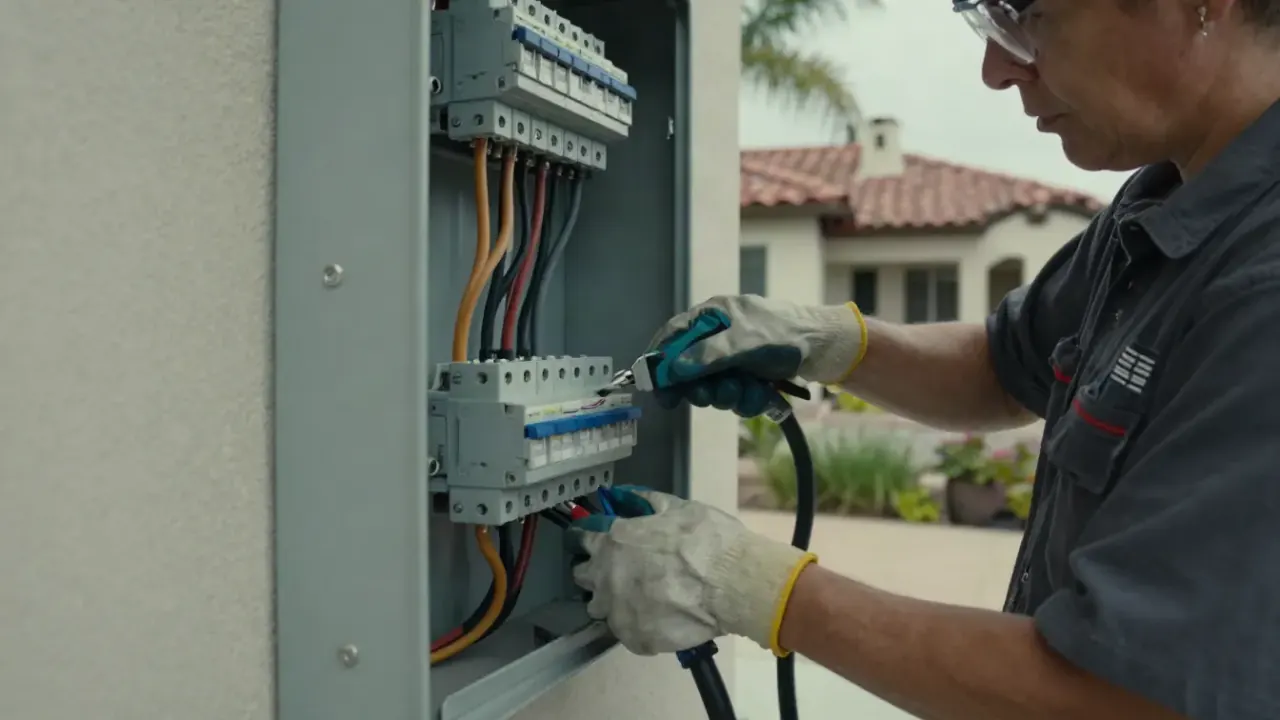
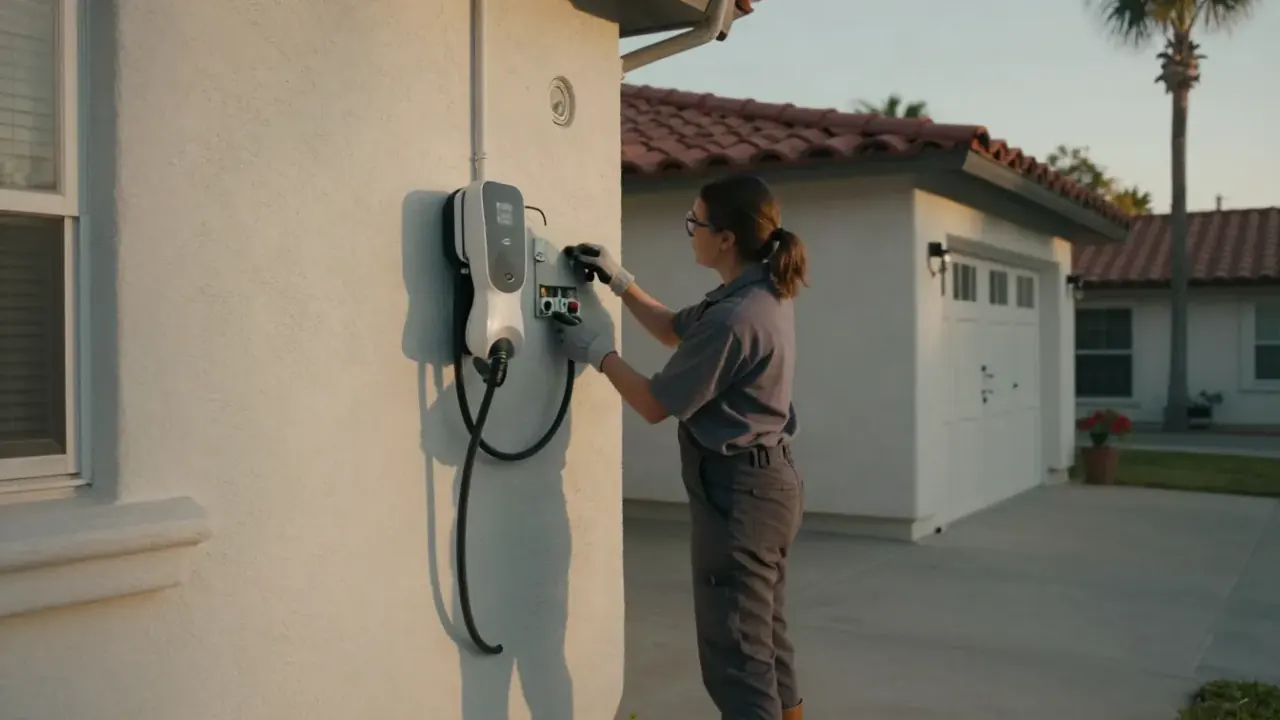
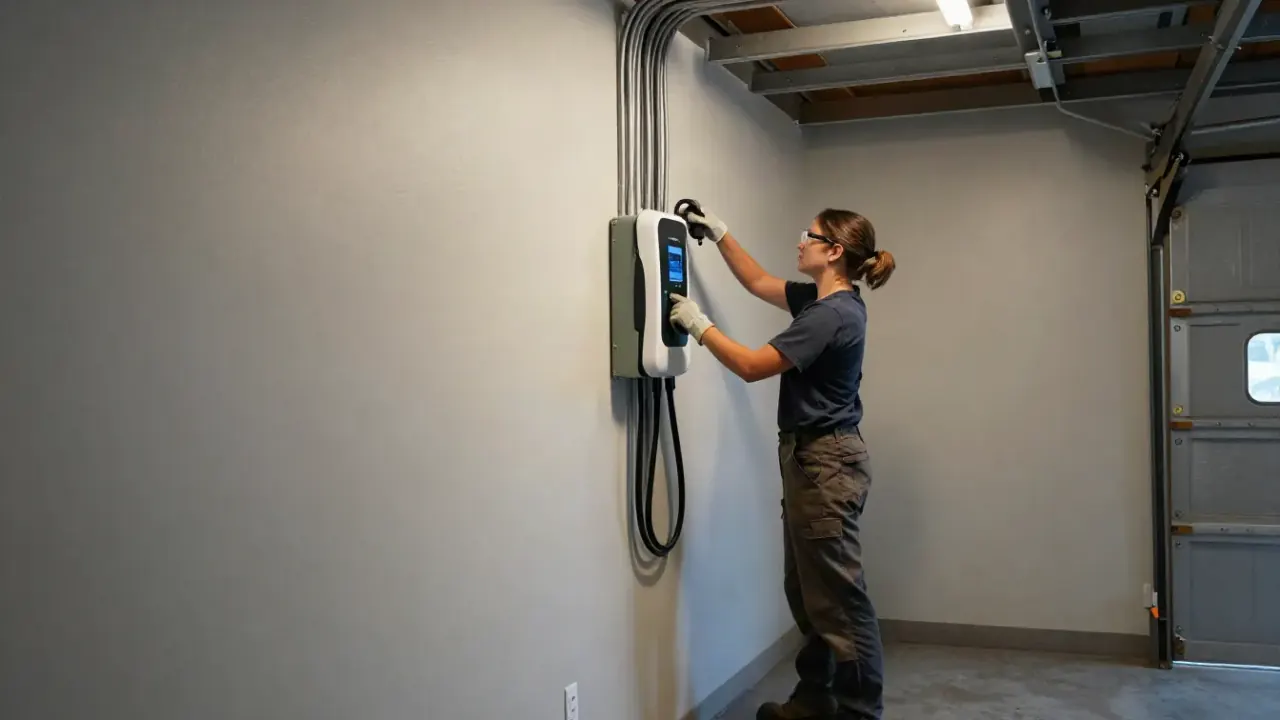
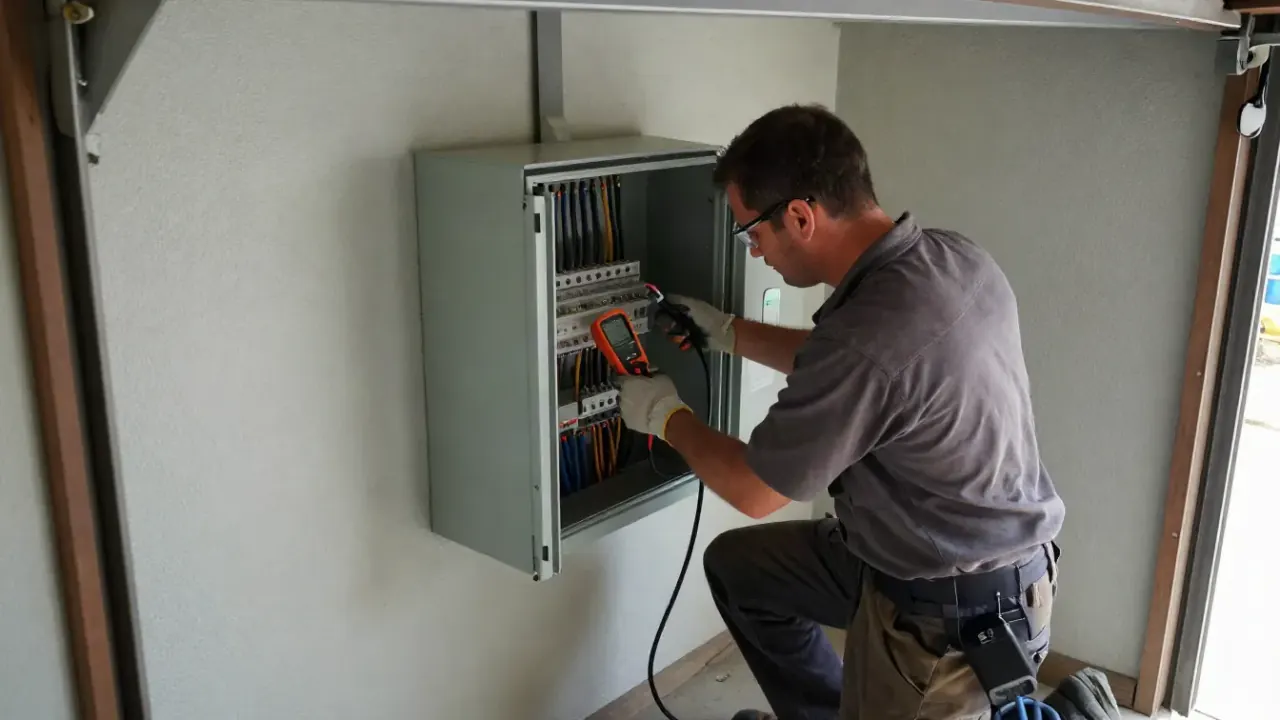
We verify voltage with a multimeter, check for ground fault, and plug in your charger to confirm communication with the vehicle. You get a walkthrough of the breaker location, a labeled panel, and the inspection card. Final inspection usually happens within a week.
Used on every breaker and receptacle termination to hit the manufacturer's inch-pound spec. Hand-tight connections are the number one cause of overheating at a 14-50 outlet.
Verifies line voltage, checks for ground fault, and measures voltage drop under load before we call the job done. A charger that derates usually shows up here first.
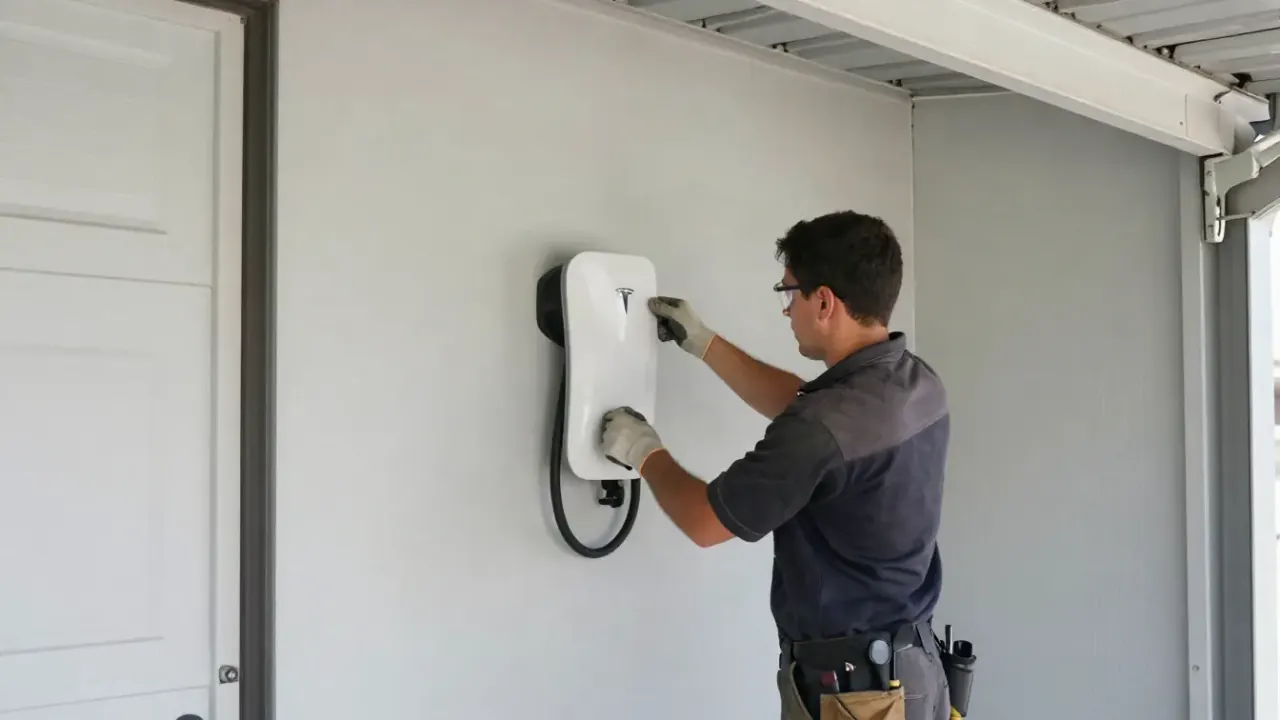
The correct gauge for a 50-amp circuit on a typical run. We step up the gauge on long runs to keep voltage drop under 3 percent.
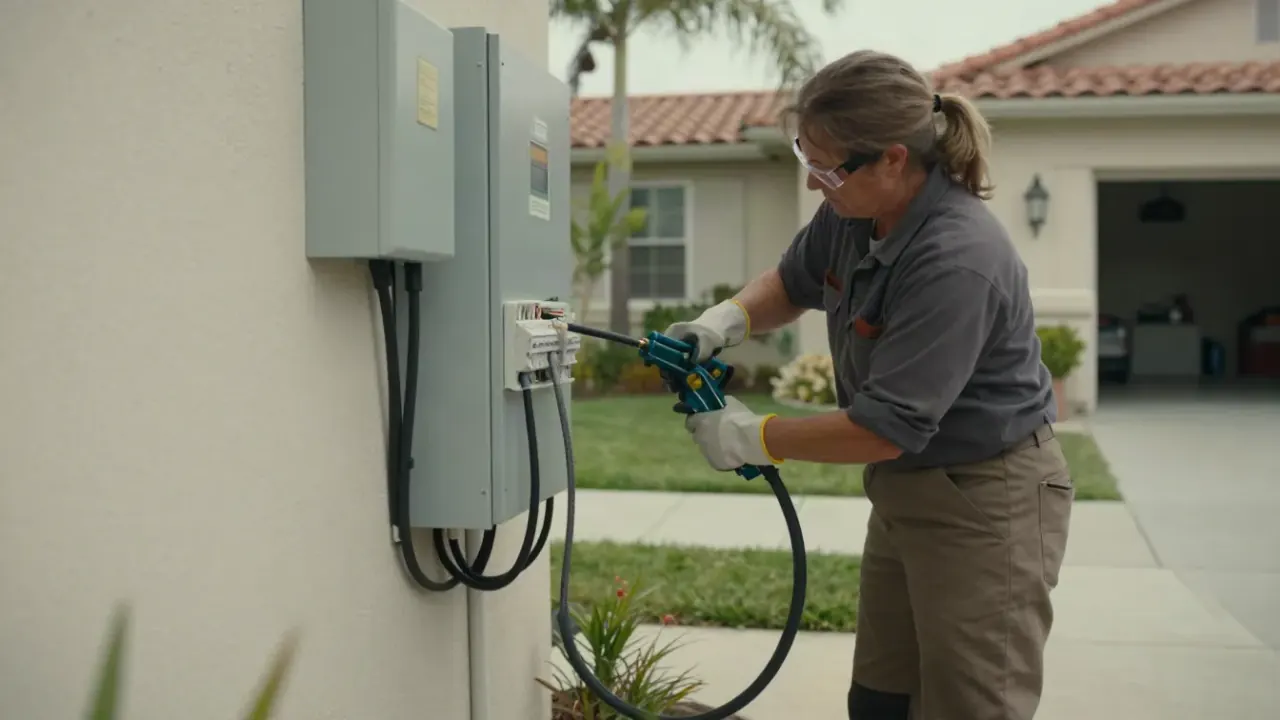
Siemens and Schneider breakers sized to the circuit and matched to your panel brand. We do not mix breaker brands in a panel, ever.
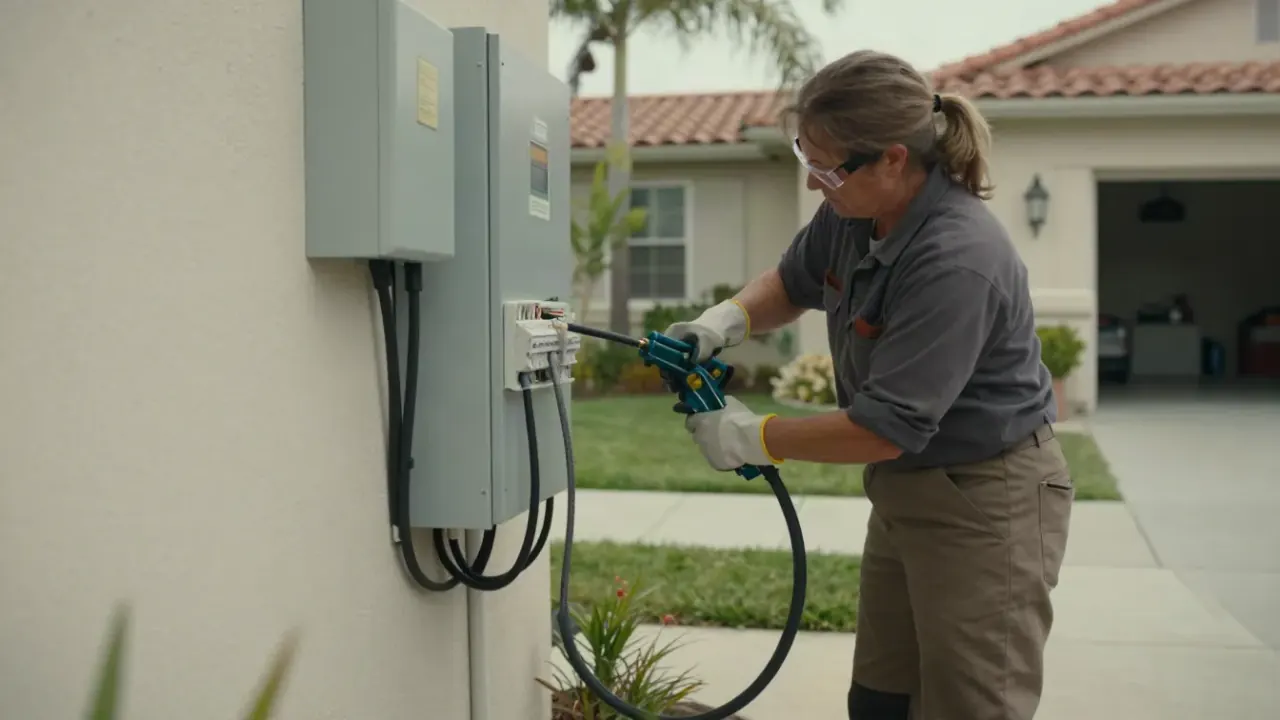
Required for outdoor and garage receptacles under current code. It protects against ground fault and is the first thing we check when a charger keeps tripping.
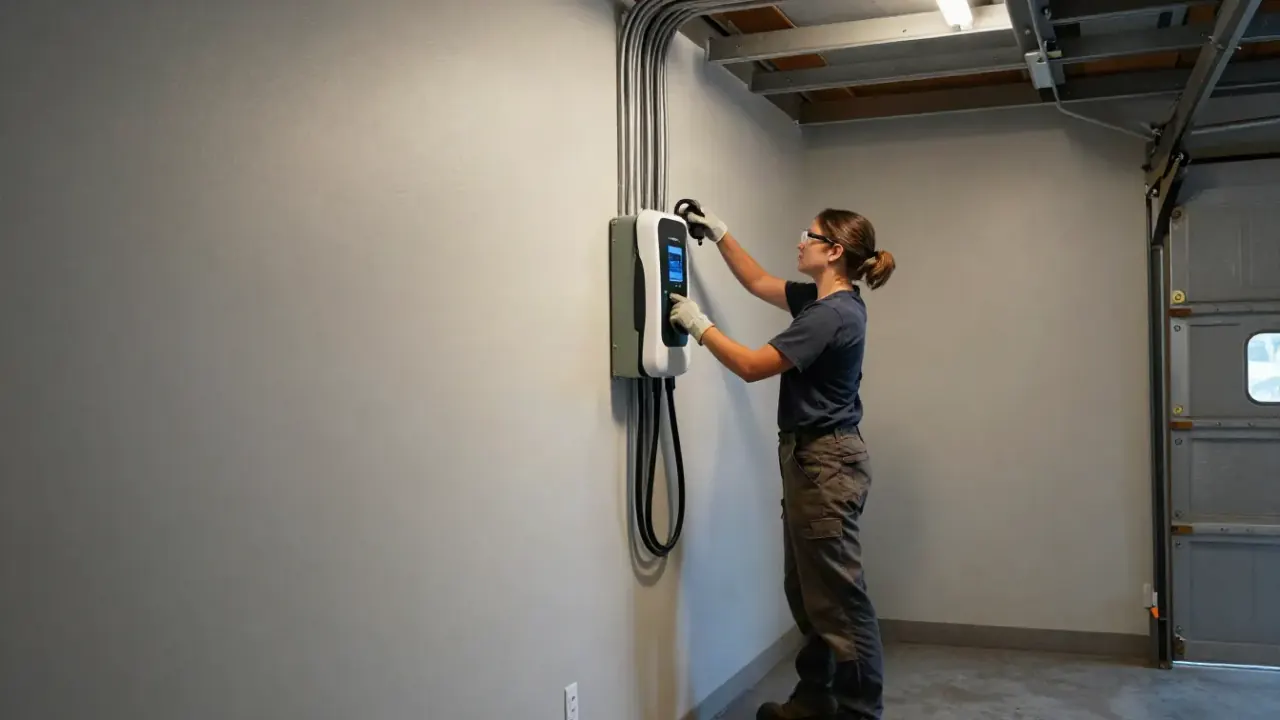
Clean strips and proper strain relief at every box. A loose clamp lets the conductor chafe against the knockout, which fails inspection and creates a fault path.
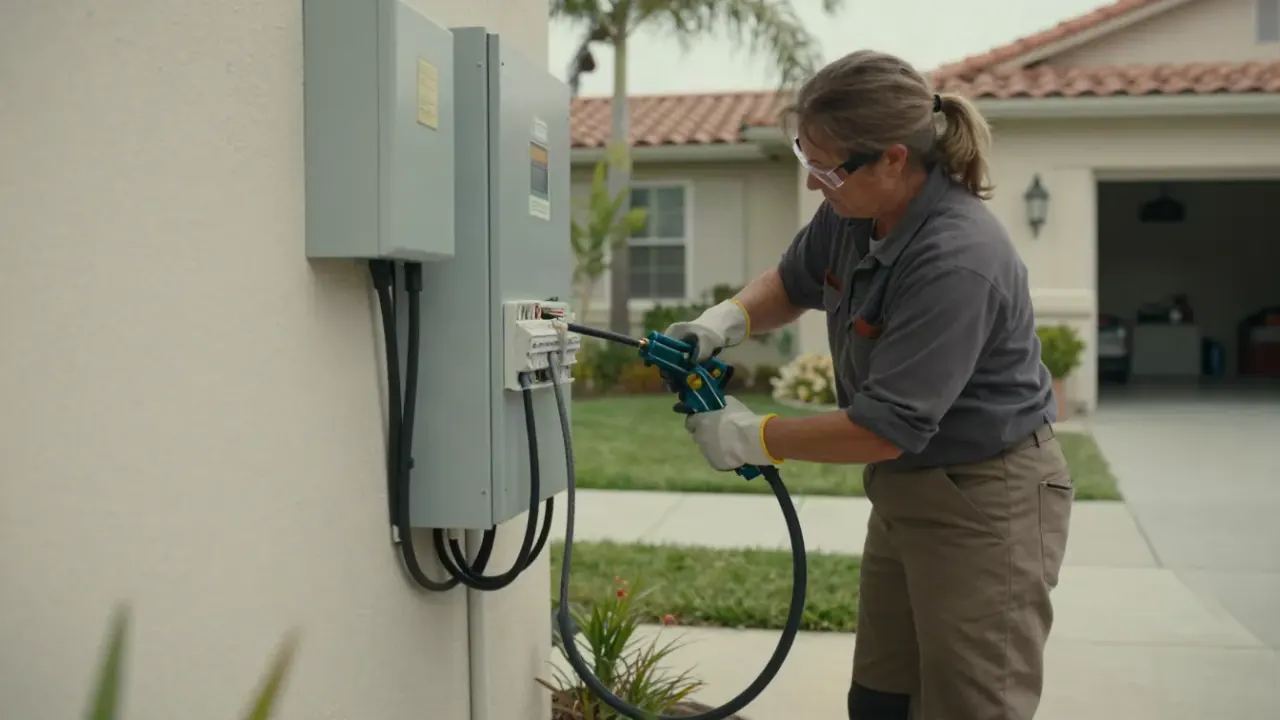
We total the existing connected load on your service before adding a 50-amp circuit. This is the step that tells you whether a subpanel or service upgrade is needed, and it is required for the permit.
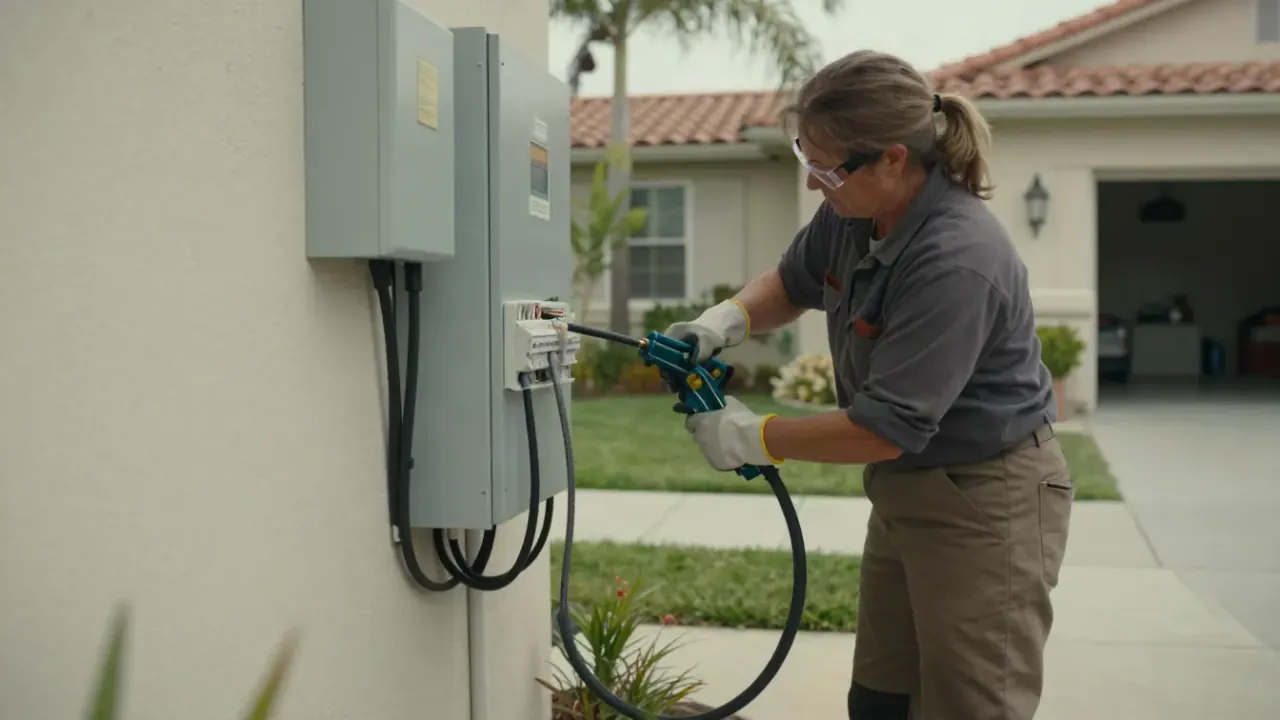
EV charging has its own code section covering circuit sizing, disconnects, and receptacle ratings. We install to Article 625 so the inspector signs off on the first visit instead of the third.
We install a dedicated 240V circuit and a NEMA 14-50 outlet so a Level 2 charger can run at 32 to 40 amps. The panel check happens first, and we pull the permit the same week. Overnight charging replaces a 20-hour trickle session. Most owners charge two to three hours and wake up full.
We prepare the NEC Article 220 load calculation, submit it to the board, and install the outlet with a submeter in the shared garage once approved. The board signs off, the owner pays only for their own charging, and the installation passes city inspection.
We assess total capacity, install a subpanel if needed, and wire two 240V circuits with load-sharing configured through the charger apps. Both vehicles charge overnight without tripping the main breaker, and the panel stays within its calculated load.
We install the 14-50 outlet, pull the City of Redondo Beach permit, and hand over the signed inspection card for the disclosure packet. The garage shows up as a documented feature instead of a flagged unpermitted circuit during the buyer's inspection.
Redondo Beach housing stock splits into two problems. North of 190th you get 1950s tract homes with 100-amp panels, detached garages, and alley-fed service drops. South of Torrance Boulevard you get condos and older bungalows where the panel sits in a hallway closet 60 feet from the parking spot. Both shapes affect the quote. A detached garage may need a trench and conduit, while a condo needs HOA paperwork and a submeter. Coastal air in Riviera Village and South Redondo corrodes cheap receptacles, so we spec UL Listed hardware rated for wet locations on exterior walls. The City of Redondo Beach requires an electrical permit for any new 240V circuit, and we file it for you. If you want the best NEMA 14-50 outlet installer in Redondo Beach, ask whether they run a load calculation and pull the permit. Those two steps separate a lasting install from a callback.
A North Redondo homeowner had a full 100-amp panel, a new Model Y, and a 120V garage outlet adding 4 miles of range per hour. Two electricians had already told them the service was maxed out and quoted a full panel replacement.
We ran the load calculation, installed a 100-amp subpanel fed from the main service, and wired a 14-50 circuit from there. Total cost landed well under the panel-replacement quotes, and the car now charges at 32 amps overnight.
Keep the subpanel cover closed and check the breaker monthly for warmth. If the charger ever trips, note the time and call us before resetting it repeatedly.
A condo owner wanted to charge in a shared garage but the HOA would not approve anything without load documentation and a way to separate electricity costs. The garage had no 240V circuit at all.
We prepared the NEC Article 220 calculation for the board, installed the 14-50 outlet with a submeter, and passed city inspection. The owner now pays only for their own charging, and the HOA has a template for the next request.
Read the submeter quarterly and compare it to your utility bill. Report any drift to the board so the billing stays accurate.
A homeowner was charging nightly on a 14-50 outlet installed by a previous owner. The plug body was warm after two hours, and the breaker had tripped twice in a month. The wire behind the box was 10 AWG on a 50-amp breaker.
We pulled new 6 AWG copper, replaced the receptacle with a UL Listed 14-50, and re-terminated everything to torque spec. Four-hour charge sessions now run cool, and the breaker has not tripped since.
Feel the plug face after a long charge once a month. It should be no warmer than the surrounding wall. Any heat means a termination needs re-torquing.
Most calls we get are not really about the outlet. They are about a charger that trips, a panel that is full, or a garage that was never wired for a continuous 40-amp load.
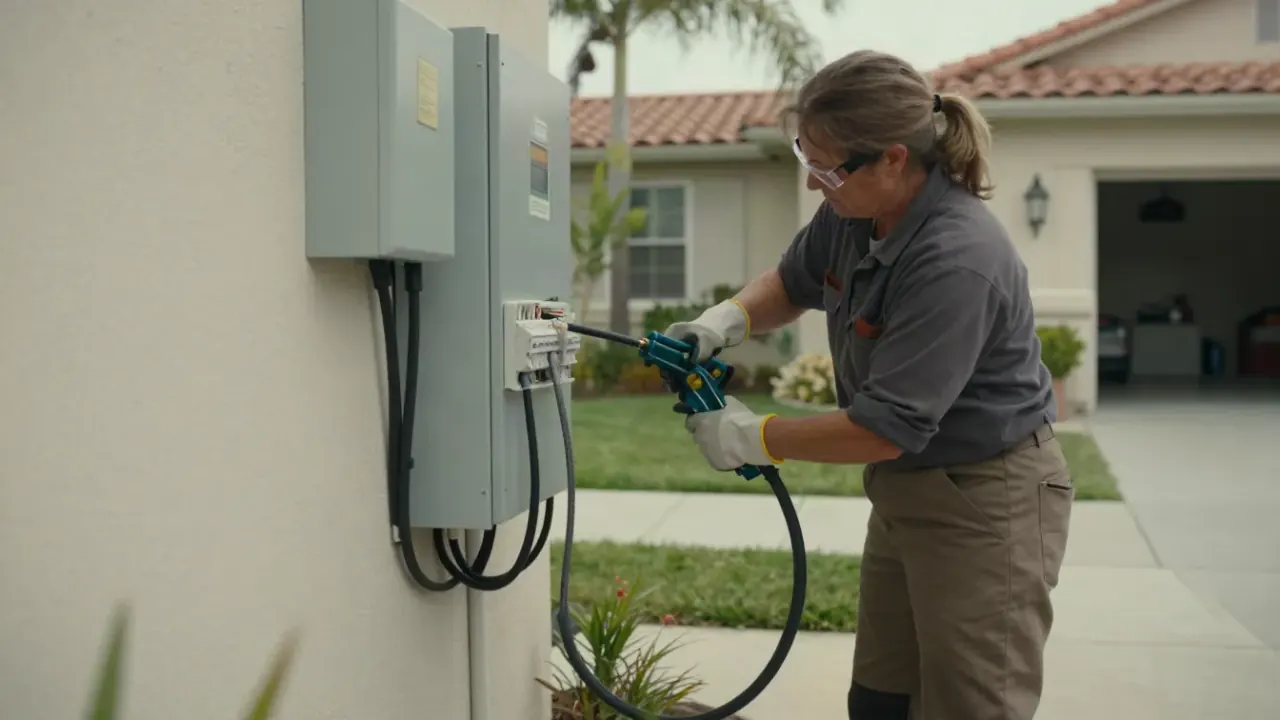
We meter the circuit, confirm the actual load, and either move the charger to a dedicated 240V circuit or replace the failed breaker. If the wire gauge is wrong, we pull new 6 AWG copper and re-terminate the outlet. A tripping breaker usually means the circuit is shared, undersized, or landed on a worn breaker. Keep resetting it and you risk overheating the wire inside the wall, which is a fire risk you cannot see until it is too late.
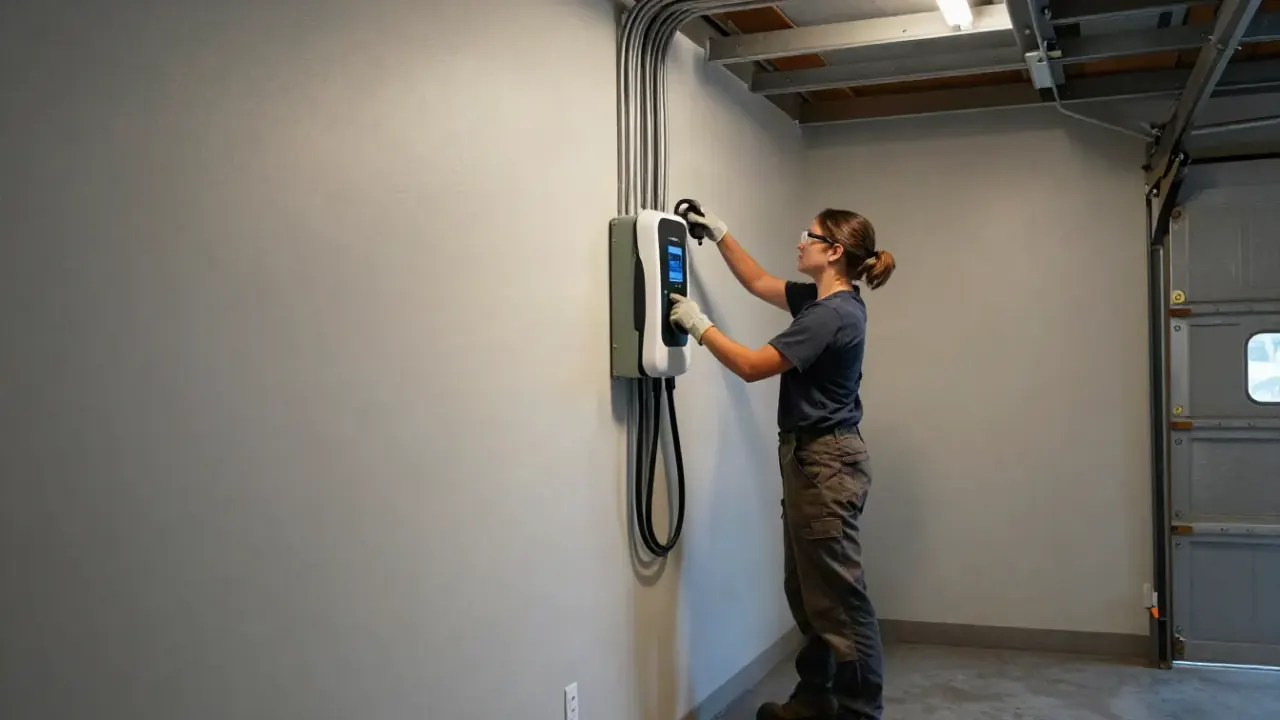
We install a subpanel fed from the main service, which frees slots and shortens the run to the garage. Or we perform a service upgrade if the load calculation shows the existing service cannot carry the new 50-amp circuit. A full panel stops the job cold. Homeowners often buy a charger, then find out the service cannot take another circuit. That turns a one-day install into a two-week project if you do not plan for it.
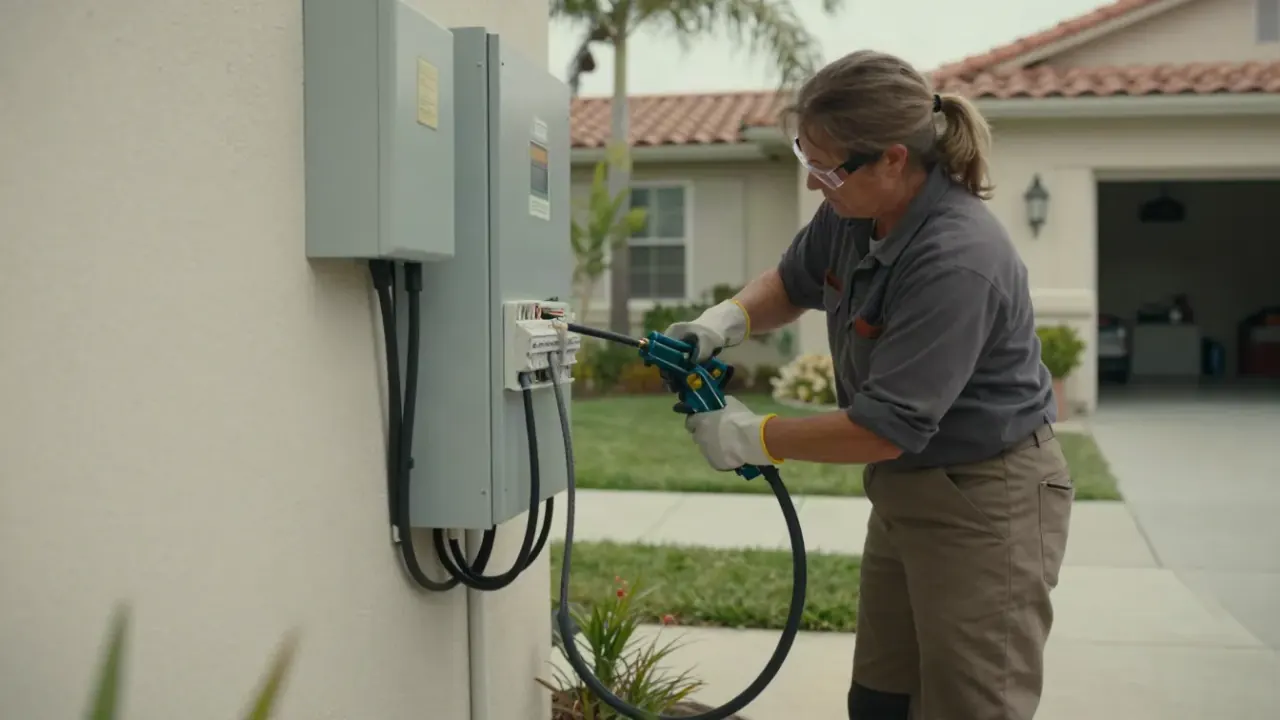
We replace the receptacle with a UL Listed 14-50 rated for EV duty, re-strip and re-torque every termination, and verify voltage drop under load. If the run is undersized, we upgrade the copper to 6 AWG. Warm receptacles point to loose terminations, undersized wire, or a cheap outlet not rated for continuous duty. Heat cycles loosen connections further and can melt the plug body over months of nightly charging.
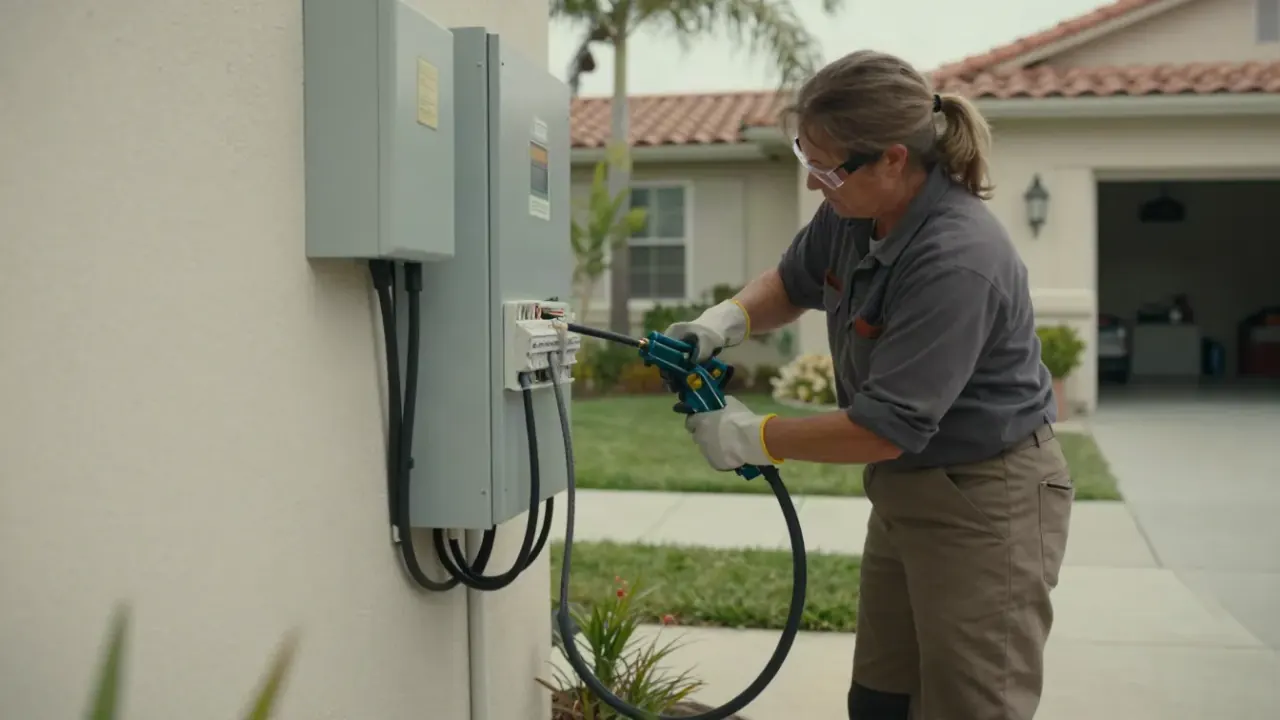
We measure voltage at the outlet under load and size the copper to keep drop under 3 percent. On runs over 75 feet we step up the gauge rather than hope the charger tolerates it. Long runs on thin wire drop voltage under load, so your charger derates and adds hours to every session. You may not notice until you compare charge times with a neighbor on the same vehicle.
A standard 120V outlet adds about 4 miles of range per hour. A 50-amp EV outlet installation Redondo Beach CA delivers roughly 30 to 40 miles per hour, so a 60-mile daily commute refills in under two hours. You wake up to a full battery without touching a public station.
The NEMA 14-50 receptacle is the universal standard for portable EV chargers, including units from Tesla, ChargePoint, JuiceBox, and ClipperCreek. When you trade the car in, the outlet stays. No rewiring, no adapter hunt, no electrician visit for the next vehicle.
We install to NEC Article 625 and pull the permit through the City of Redondo Beach. That paper trail matters at resale and if a claim ever touches the garage circuit. Unpermitted 240V work is one of the first things a home inspector flags in Los Angeles County.
We regularly replace daisy-chained extension cords and overheated 12-gauge runs in South Redondo garages. A dedicated circuit with a GFCI breaker removes the voltage drop and ground fault risk that comes with pushing a portable charger through wiring never meant for a continuous 40-amp load.
Typical 2026 pricing in Redondo Beach runs $450 to $1,200 for a standard garage install and $1,800 to $3,500 when a subpanel or service upgrade is required. The spread comes down to three things: distance from the panel, whether the panel has capacity, and whether the run goes through finished drywall or stucco. We give you a firm number after the on-site panel check, and the quote does not change unless you change the scope. For a 50-amp EV outlet installation near me Redondo Beach CA, the permit and the load calculation are included, not billed as extras.
What your estimate is based on
$450 - $3,500 depending on panel capacity and run length The outlet itself is a $30 part. What you are paying for is the load calculation, the correct copper gauge, the permit, and a torque-verified termination that will not overheat after two years of nightly charging. Cheap installs come back as repair calls.
Clear records you can keep and share.
Panel check result and firm price
Signed city permit record for your file
Every new breaker identified by circuit
A NEMA 14-50 outlet lets you swap chargers without an electrician visit. A hardwired connection lets some units run at 48 amps instead of 40, which shortens charge time.
You can unplug the charger and take it with you when you move. Portable units from Tesla, ChargePoint, and ClipperCreek all use the same four-prong plug.
Hardwired chargers can pull 48 amps on a 60-amp circuit. That is roughly 20 percent faster than a 14-50 outlet capped at 40 amps of continuous load.
Both options need a dedicated circuit, a permit, and a load calculation. The inspector checks the breaker size and the termination, not which style you chose.
Outside these areas? Call and ask, we may still cover you. (310) 294-5464
Most 2026 jobs in Redondo Beach run $450 to $1,200 for a straightforward garage run, and $1,800 to $3,500 when a subpanel or service upgrade is needed. Distance from the panel, permit fees, and whether we cut through stucco or drywall move the number. We give you a firm price after the on-site panel check, not a phone guess.
You need a 240V circuit, and the NEMA 14-50 is the most common way to get one. It charges 8x faster than a standard wall outlet and works with nearly every portable Level 2 charger on the market. If you bought a hardwired Tesla Wall Connector or a 48-amp Wallbox, we may skip the outlet and wire direct instead.
We do, and we pull the City of Redondo Beach permit on every job. Look for a CSLB C-10 licensed electrician who runs a load calculation before quoting, uses 6 AWG copper for a 50-amp circuit, and torques terminations to spec. A handyman or an unlicensed installer voids your homeowner coverage if the circuit ever faults.
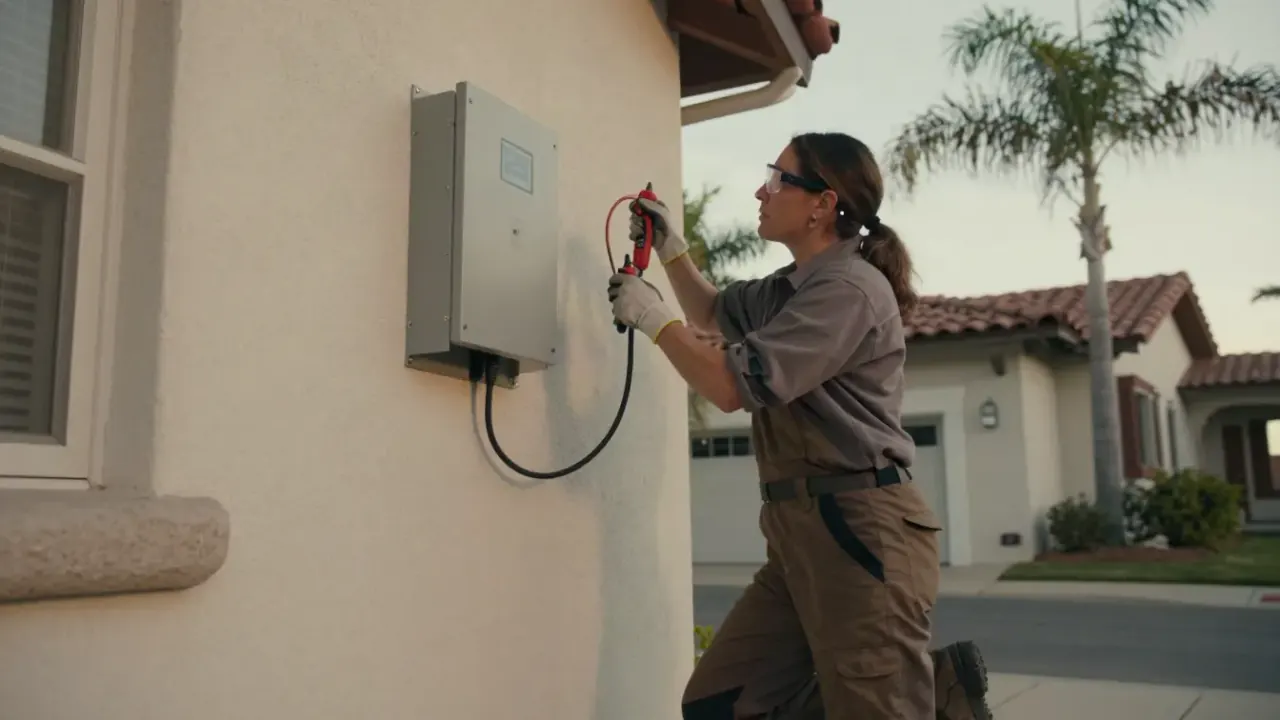
Yes. We use a weatherproof box with an in-use cover and a GFCI breaker when the outlet sits on an exterior wall or carport. Coastal salt air in Riviera Village and South Redondo corrodes cheap receptacles fast, so we spec UL Listed hardware rated for wet locations. Expect the outdoor run to add $150 to $300 over an interior garage install.
Call (310) 294-5464 and we will price your 240V circuit over the phone in about five minutes. We pull the permit, run the copper, and test the charger before we leave. Most Redondo Beach garages are done in a single visit.
Call us at (310) 294-5464 or send a note and we will get back to you the same business day. Tell us the car, the charger you want, and where it is going, and we can often give you a ballpark before we drive out. We are in Redondo Beach, California and work Los Angeles County daily.