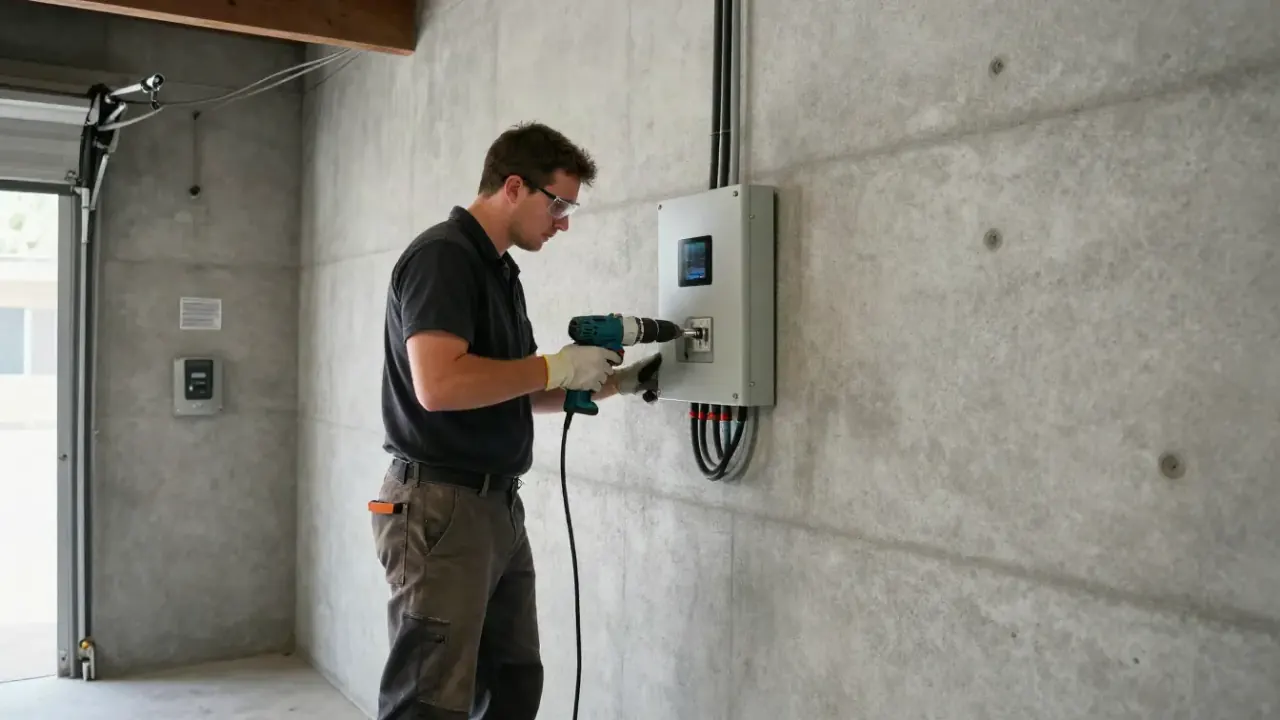
Written diagnosis
What failed and why
EV Charger Repair and Troubleshooting Redondo Beach CA starts with a real diagnosis, not a guess. If your Level 2 EV charger quit overnight, your breaker keeps tripping, or your Tesla Wall Connector shows a red fault light, we test the circuit, the connections, and the charger itself. We work on ChargePoint, Enel X, JuiceBox, Wallbox, Emporia, ClipperCreek, Siemens, Schneider Electric, and Leviton units across Los Angeles County. One call gets a tech to your driveway.
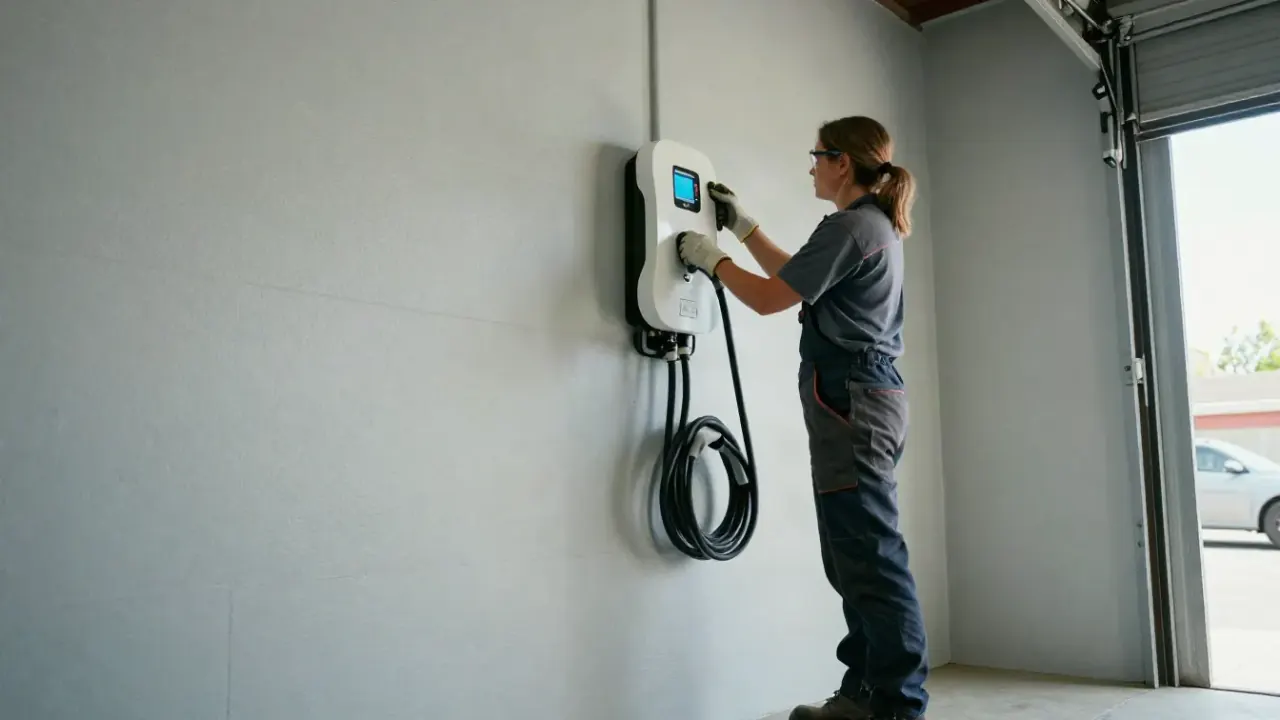
Every repair visit covers the full circuit, not just the charger. We test from the panel to the plug, fix what failed, and confirm the unit charges under load. If the job needs a new circuit or subpanel, we quote that separately before starting.
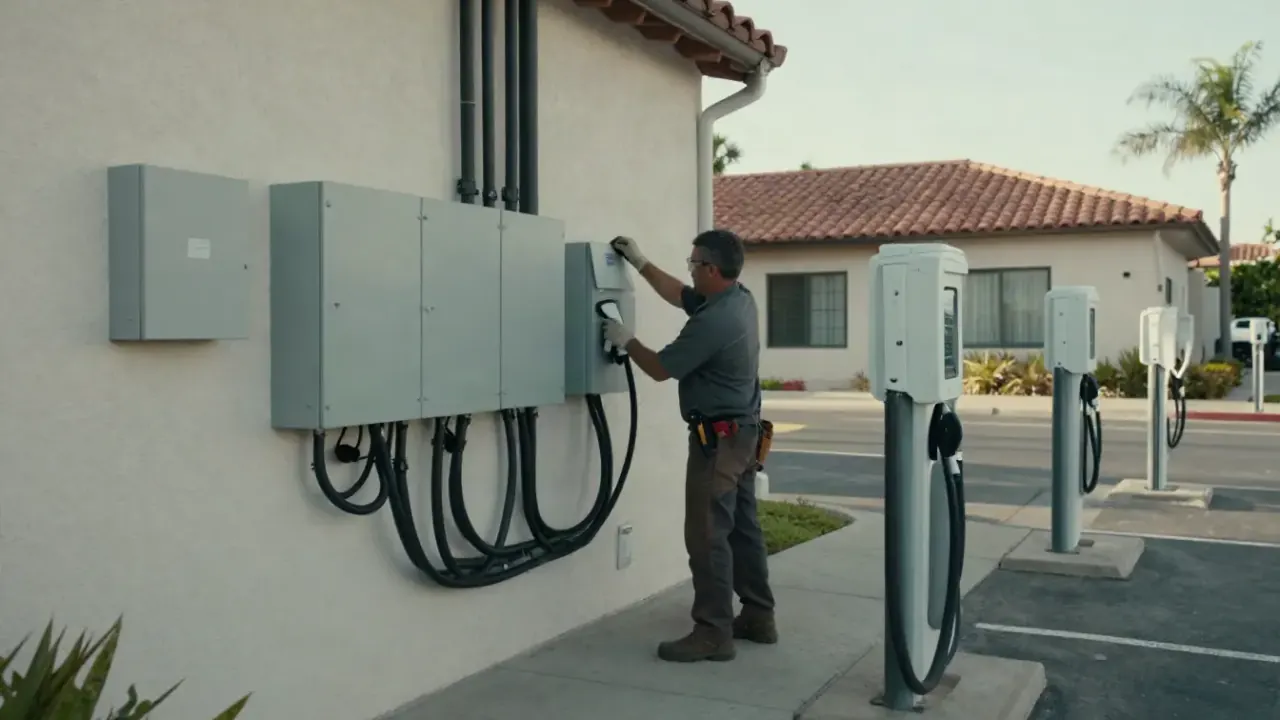
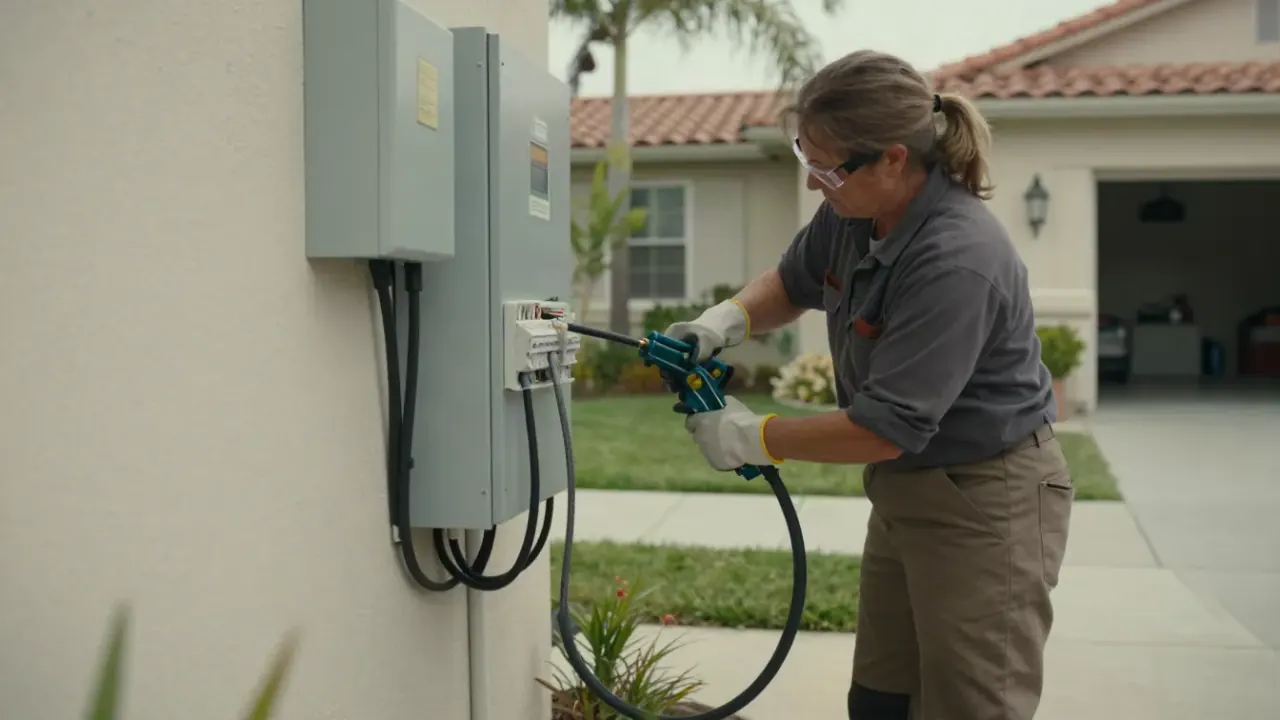
We repair home chargers in garages, driveways, and carports across Redondo Beach. If your unit faults, trips the breaker, or charges slowly, we test the circuit and the charger before quoting anything.
We repair workplace and retail charging stations where uptime matters and drivers notice every fault. We troubleshoot the station and the circuit behind it, then document the fix.
EV Charger Repair and Troubleshooting Redondo Beach CA is the diagnostic and repair work that gets a failed or misbehaving electric vehicle charger running again. It covers the whole chain: the 240V circuit breaker, the 6 AWG or 8 AWG copper wire, the junction box, the NEMA 14-50 outlet, and the charger's internal components. We test voltage under load, check for ground fault, tighten loose wiring connections, and confirm the unit communicates with your vehicle before we call it fixed. Most repairs take two to four hours.
Chargers fail here for local reasons. Salt air off the beach corrodes terminals in garages near Riviera Village and South Redondo. Older panels in The Avenues and Golden Hills often lack the capacity for a 48-amp draw, so the breaker overloads on hot afternoons. If you have been searching for EV charger repair near me Redondo Beach, we handle the whole job: diagnosis, parts, and a load check so the same fault does not come back next month. We also cover Hermosa Beach and Manhattan Beach calls.
We test the whole circuit before we touch the charger, because most faults start at the panel.
Five steps, no mystery. You get a call window, a diagnosis, a price before we start, and a charger that works when we leave.
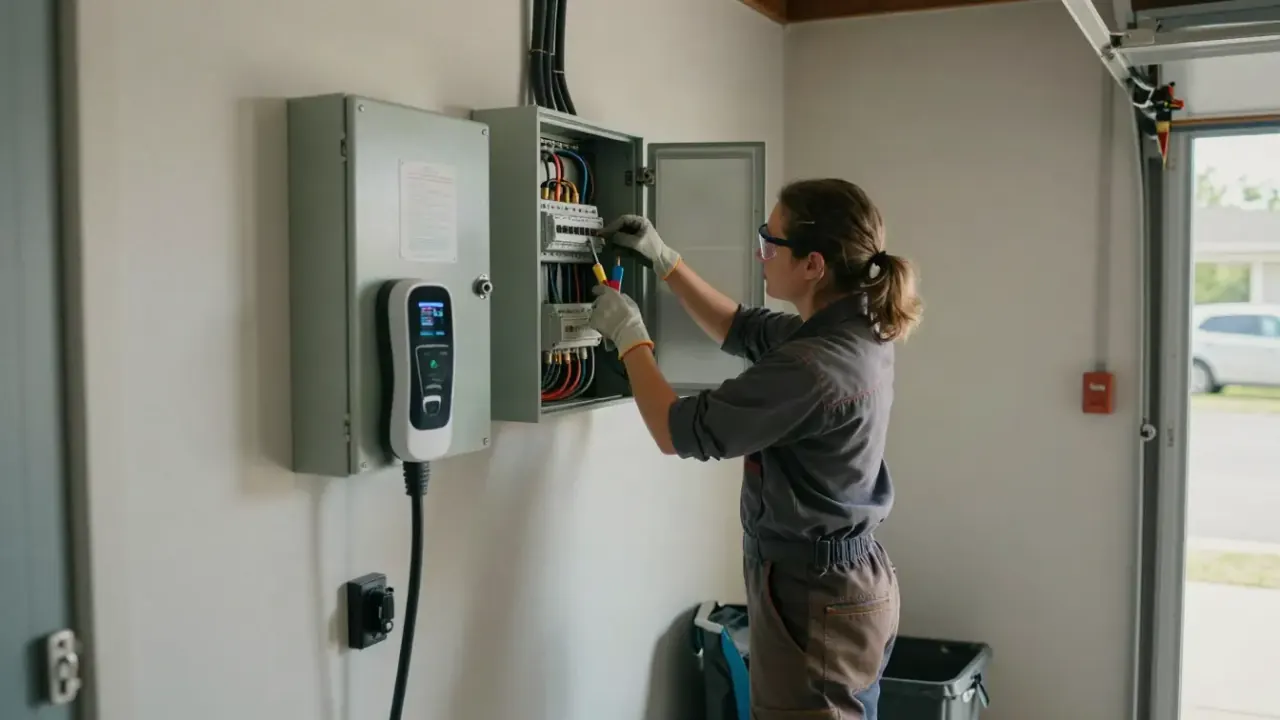
You call (310) 294-5464 and describe the symptom: no power, blinking light, tripping breaker, or slow charging. We ask the charger brand and model, roughly how old it is, and whether the issue started after a rain or a power outage. That five-minute call lets us load the right parts for your unit before we roll.
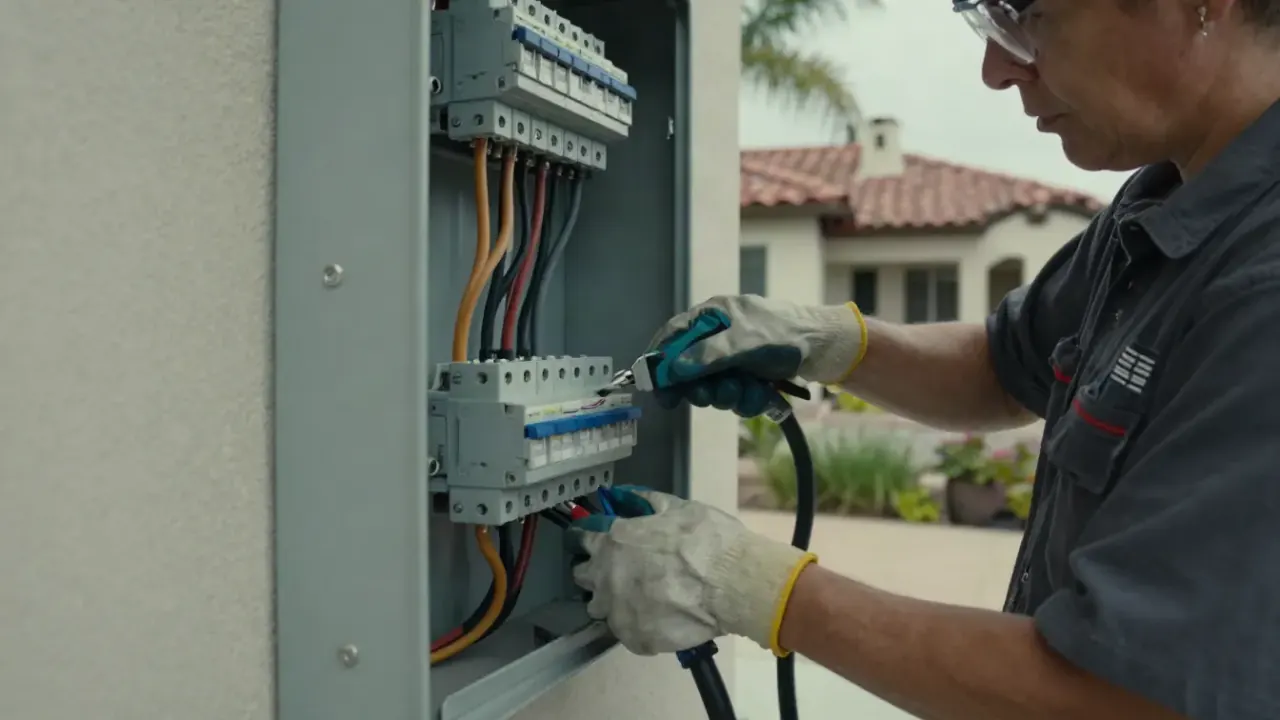
A technician arrives in a marked van and inspects the charger, the mounting bracket, the cable clamp, and the conduit run back to the panel. We open the panel and check the 240V circuit breaker for heat damage. This walk-through takes 15 to 20 minutes and tells us where the fault lives.
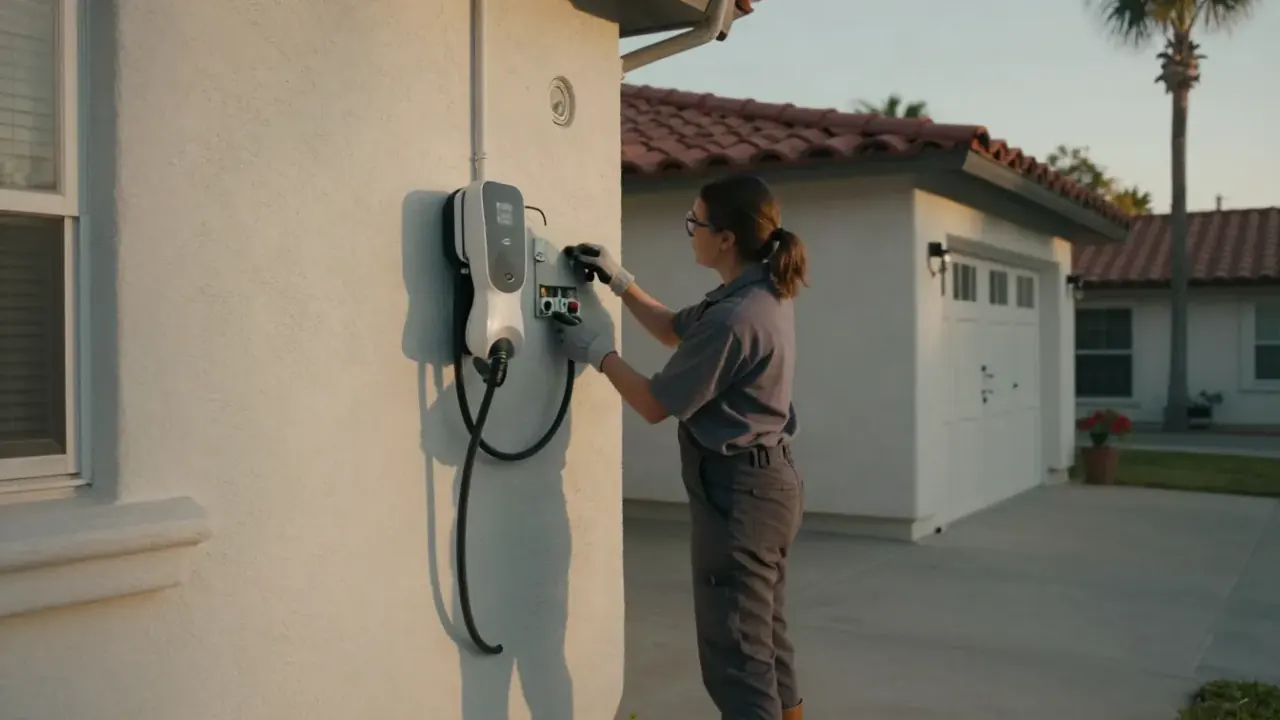
We use a multimeter and clamp meter to measure voltage at the outlet and at the charger terminals, then test for ground fault and voltage drop under load. A charger pulling 32 amps should hold steady voltage; if it sags, the problem is in the wiring or the panel, not the unit. Testing takes about 30 minutes.
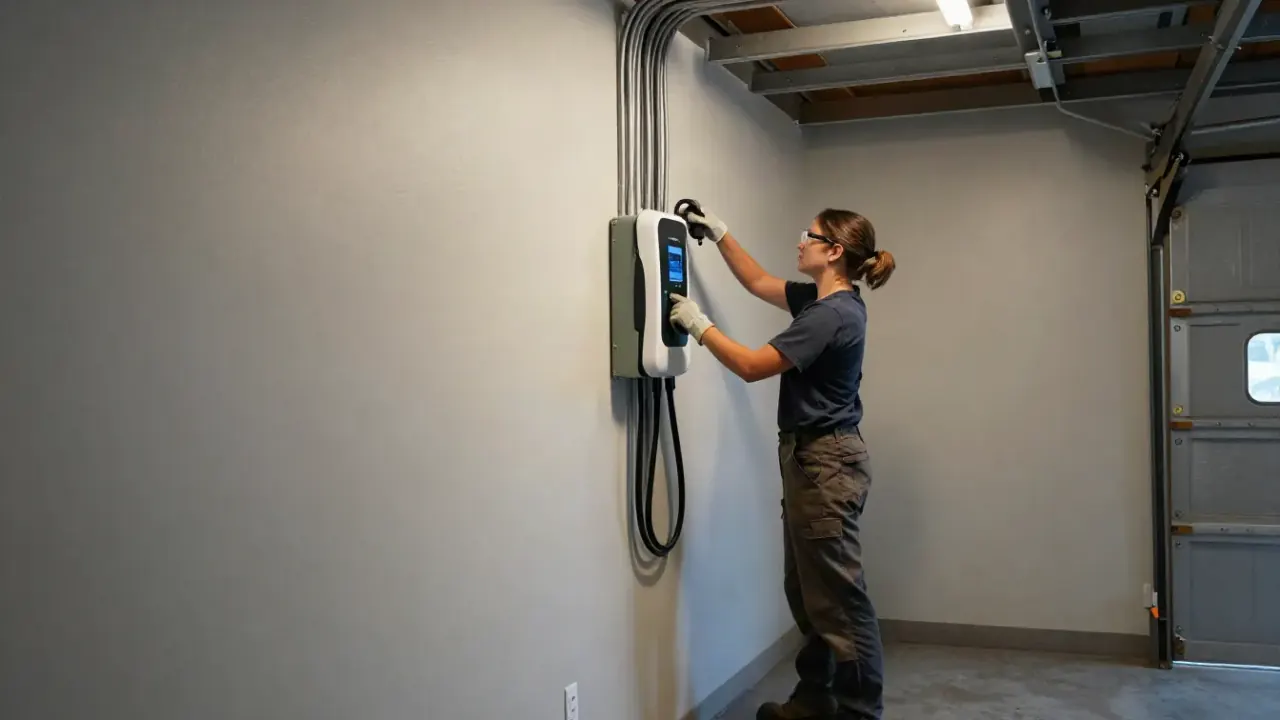
Once we know the failure, we fix it. That might mean replacing a GFCI breaker, re-terminating 6 AWG copper wire, swapping a NEMA 14-50 outlet, or replacing the charger itself. We carry common breakers, outlets, and mounting hardware on the van. Most repairs finish in one to two hours.
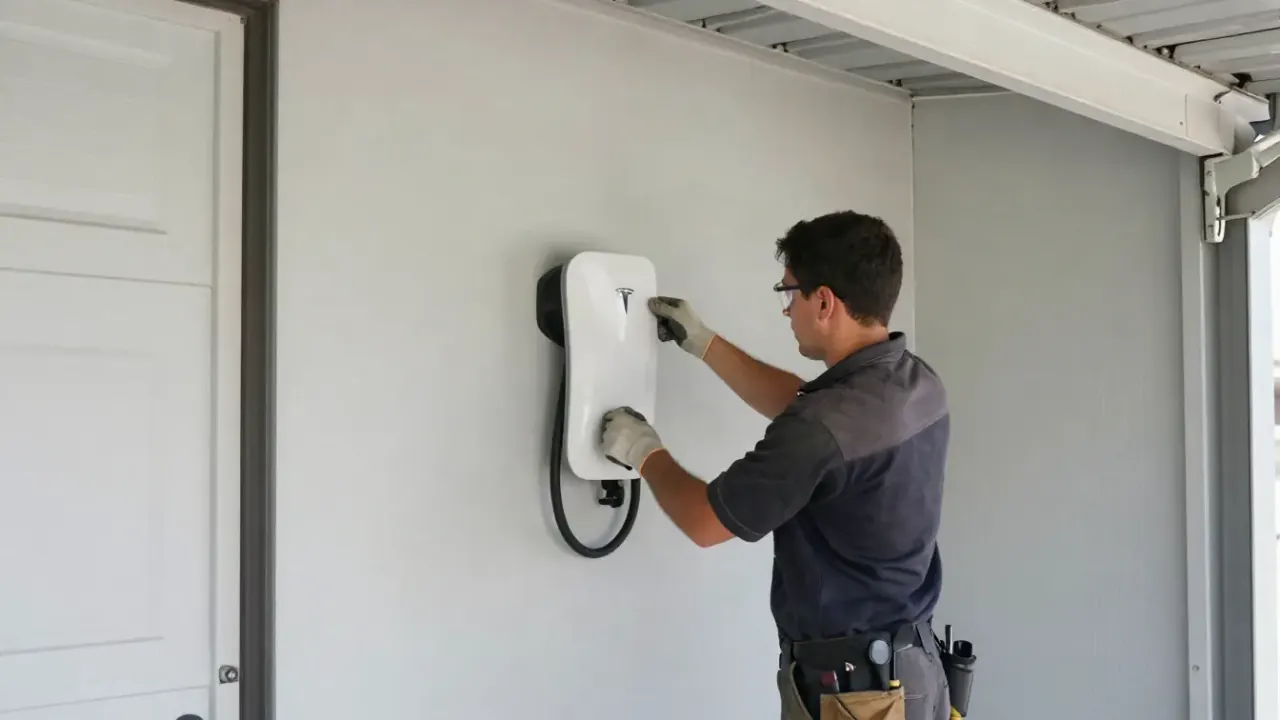
We plug in your vehicle or a load tester and confirm the charger communicates and holds amperage for a full cycle. Then we walk you through what failed, what we replaced, and how to spot the early warning signs next time. You get the old parts and a written summary before we leave.
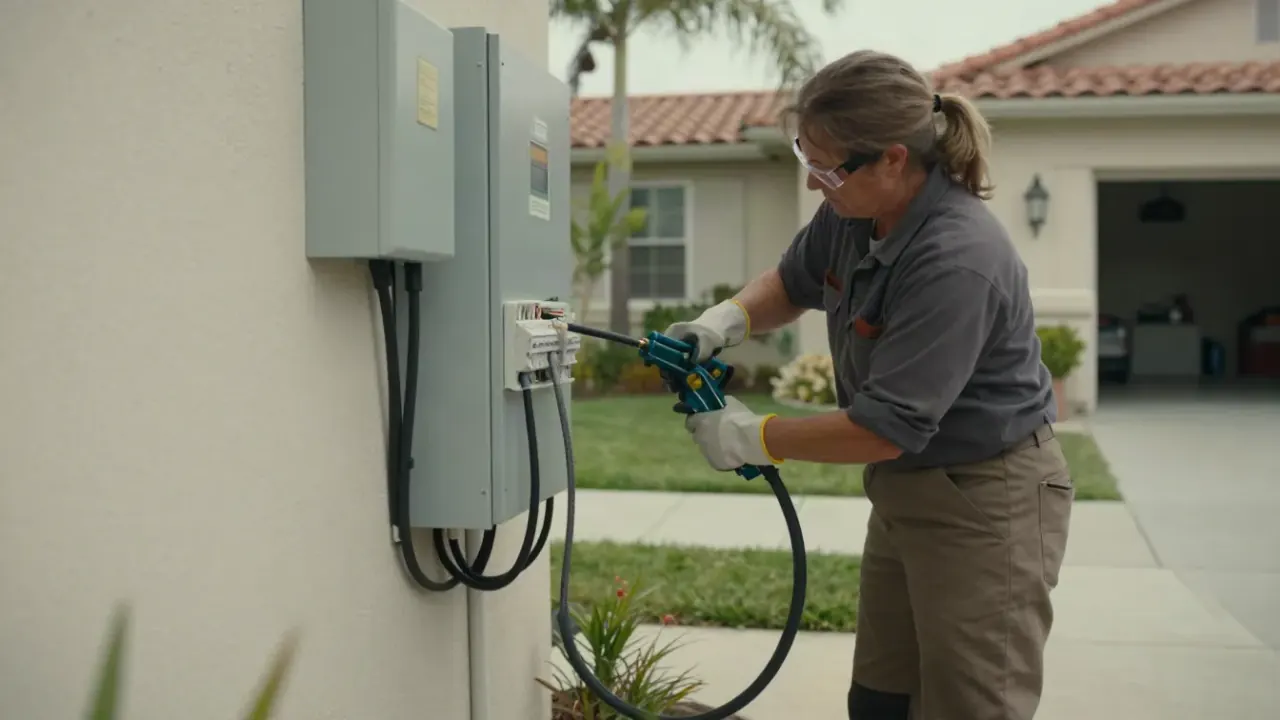
We measure voltage at the panel, outlet, and charger terminals, then clamp the circuit under load to read actual amperage. Voltage drop under load is the fastest way to tell a wiring problem from a charger problem.
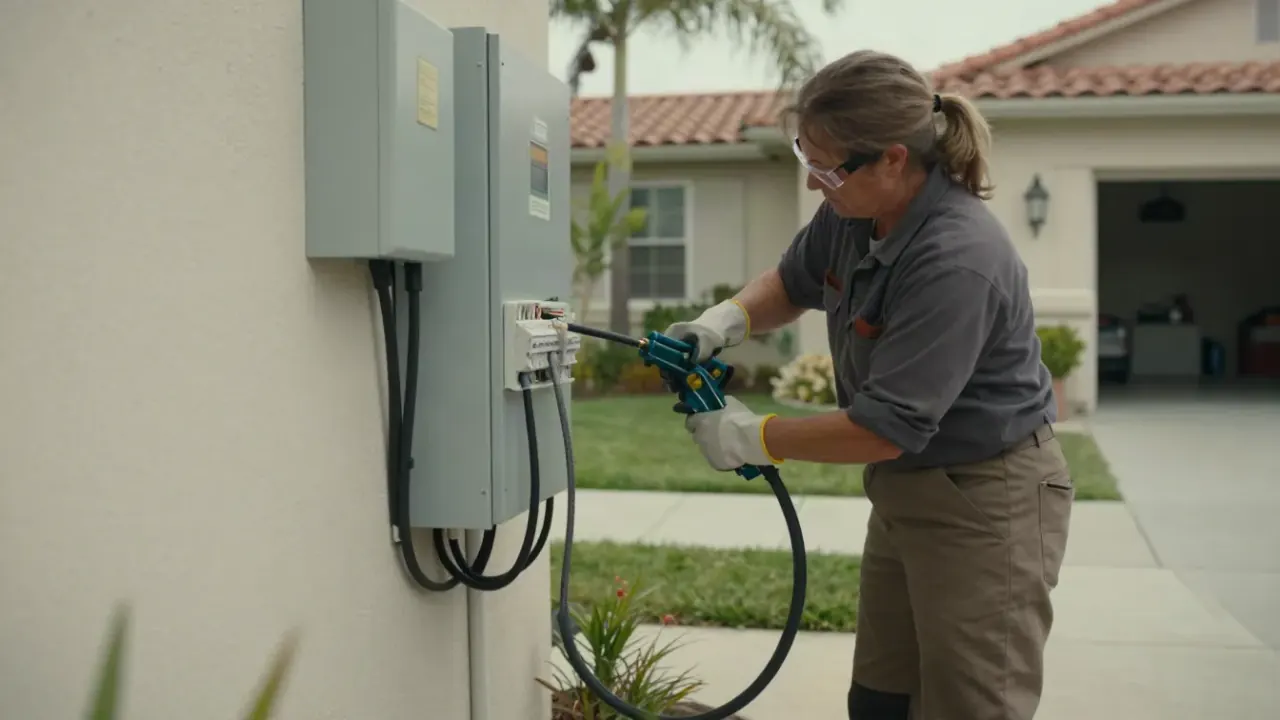
Terminal lugs have a manufacturer torque spec, and loose lugs cause most overheating charger complaints. We torque every connection to spec instead of guessing by feel.
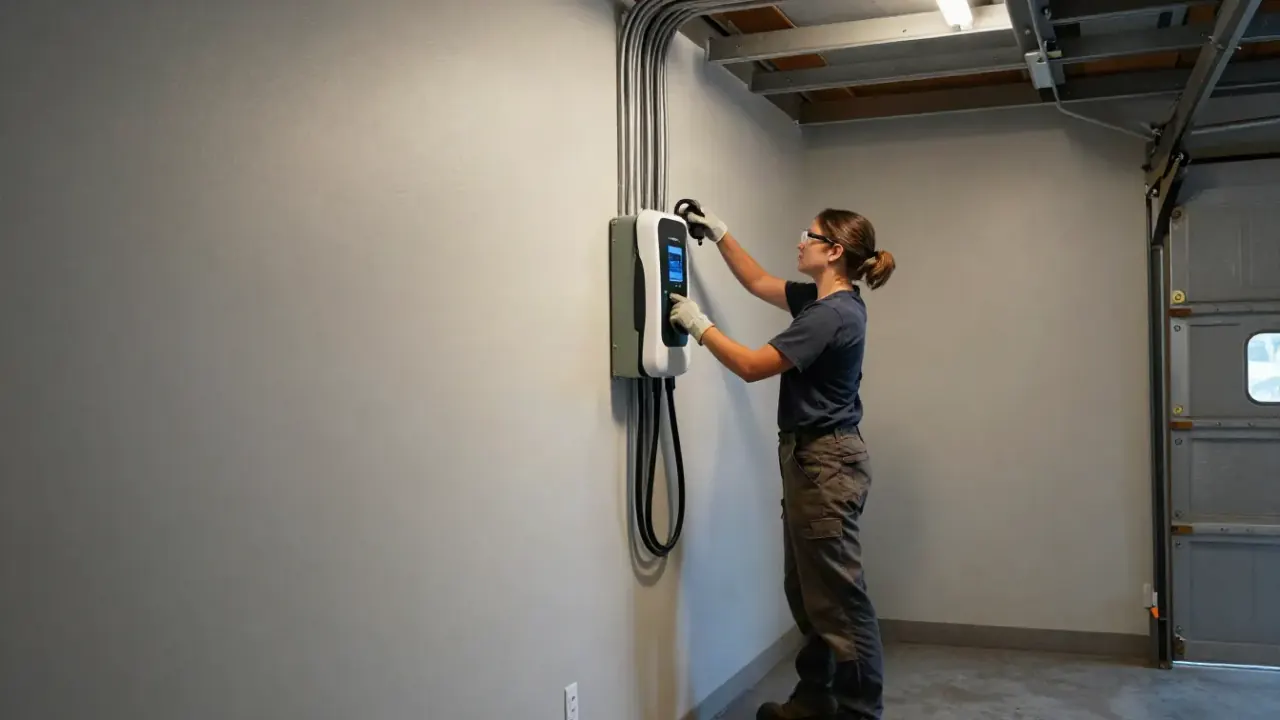
When a termination is heat-damaged, we cut back and re-terminate with fresh copper. The gauge matches the circuit amperage and the charger's requirements.
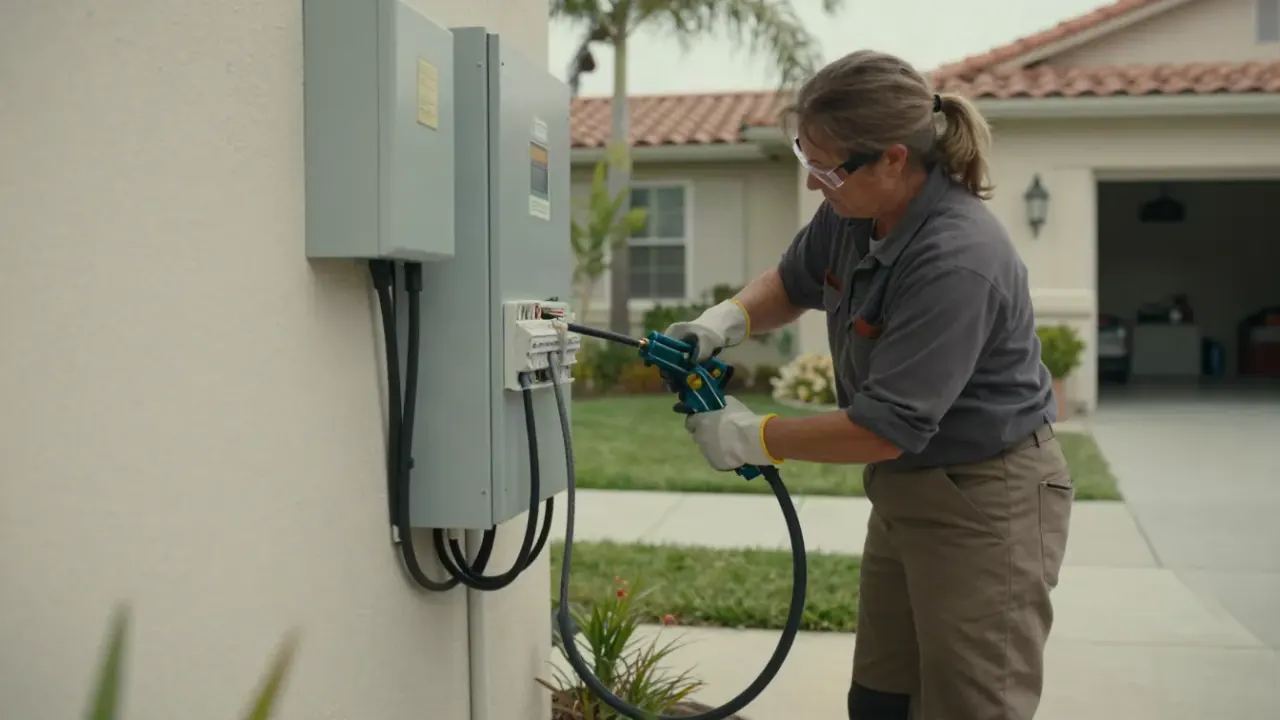
We stock common breaker sizes on the van so a failed or tripping breaker can be replaced in the same visit. The breaker must match the circuit and the charger load.
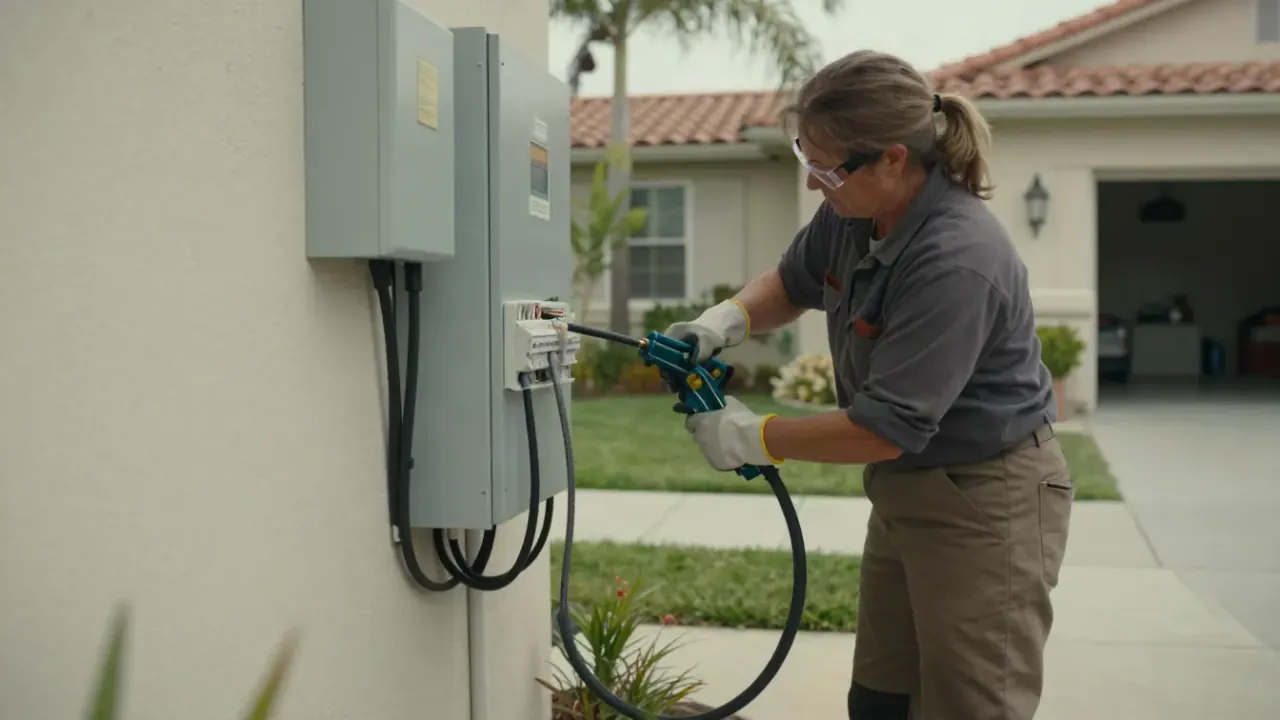
Burned outlets, cracked mounting brackets, and broken cable clamps get replaced with UL Listed parts. These are the small failures that cause big charging problems.
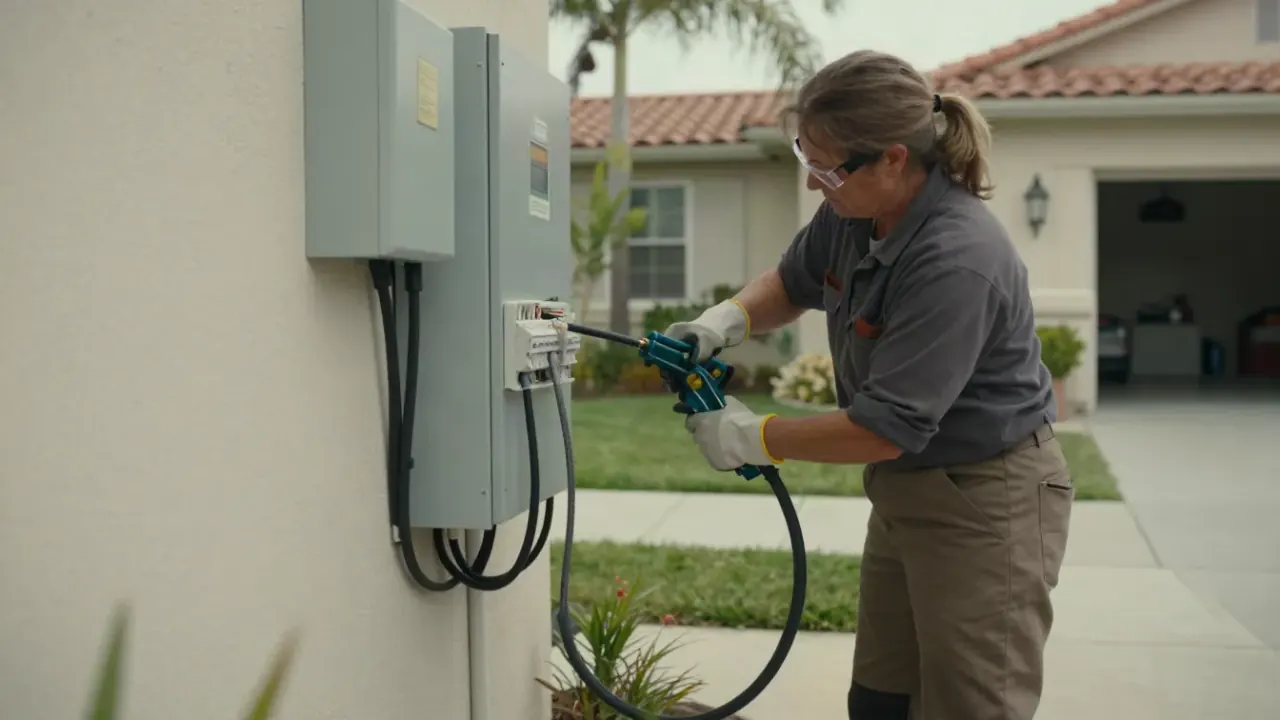
A worn holster or clamp strains the cable and can damage the connector over time. Replacing them is cheap insurance against a $600 cable replacement later.
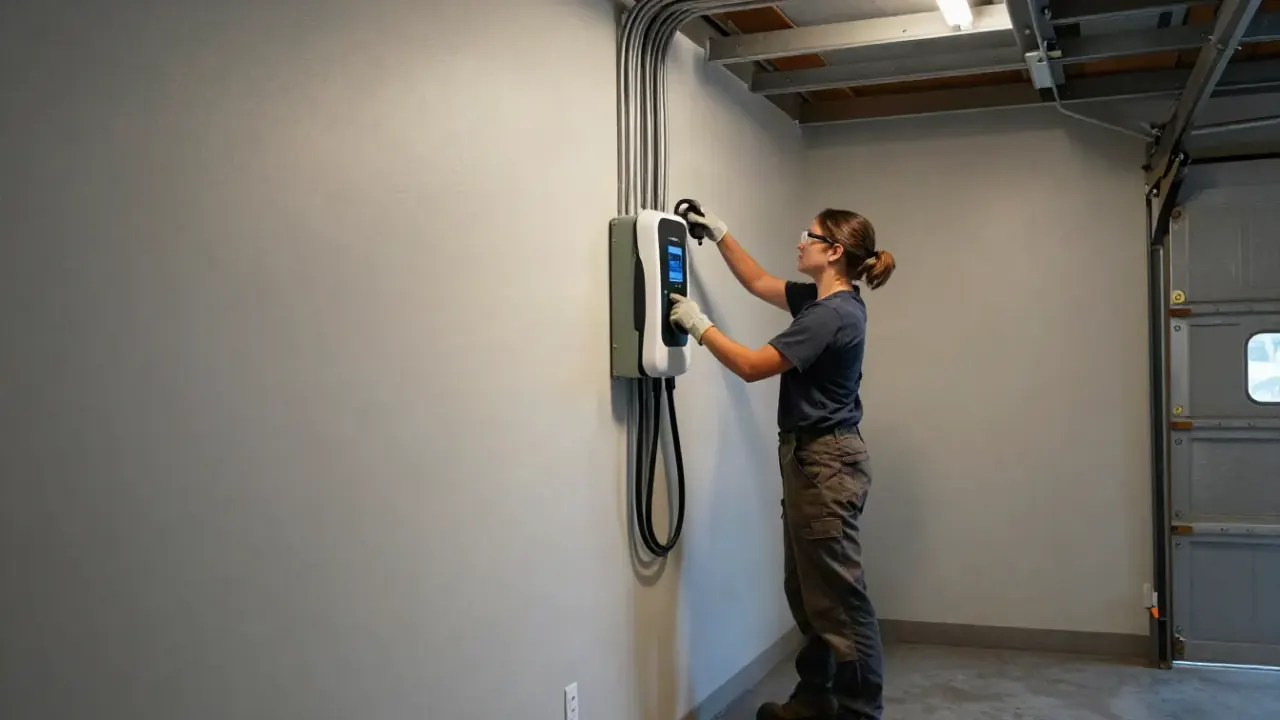
Every repair is checked against NEC Article 625, which governs EV charging equipment installation and protection. That includes GFCI requirements, disconnect rules, and circuit sizing. We do not reconnect a charger to a circuit that violates the code, even if it worked before.
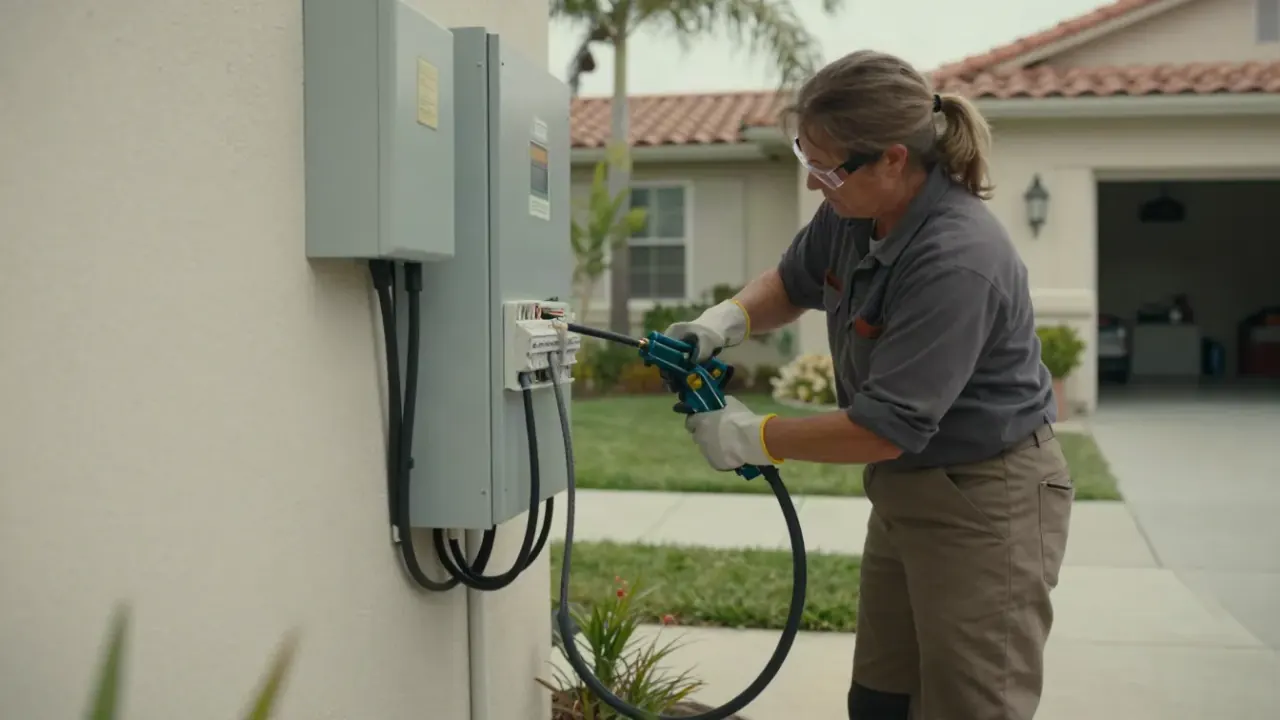
Before we repair a charger onto a panel, we run the load math from NEC Article 220. It tells us whether the existing service can carry the charger or needs a subpanel. Skipping this step is why some repairs fail again within a month.
Power surges and outages can trip the breaker or damage the charger's internal protection. We test the circuit first, reset or replace the breaker if needed, then check whether the charger survived the surge. If the unit is dead, we quote a replacement and can install it the same visit. You know within an hour whether you need a $200 breaker or a new charger, and you are not guessing in the dark.
We inspect the charger, the outlet, the breaker, and the panel, then correct whatever the inspector flagged. That may mean re-terminating connections, replacing a non-GFCI breaker, or documenting the load calculation. We provide a written summary you can hand to the buyer. The flagged item is corrected and documented, so the sale does not stall over an electrical repair.
We troubleshoot the station and the circuit behind it, including voltage drop on shared feeds. If the issue is the building wiring, we repair it. If it is the station, we coordinate the part and get it back online. We document the fault history for your facility records. The station stays online, drivers stop filing complaints, and you have a repair record for the next fault.
Slow charging is often a settings issue, not a hardware failure. We check the charger's amperage configuration, the circuit breaker size, and the voltage under load. If the unit is set to a lower amperage than the circuit allows, we correct it. If voltage sags, we fix the wiring. Your charger runs at the full amperage your circuit supports, and you stop losing hours to slow overnight charging.
Redondo Beach chargers live in a salt-air environment, and that shapes the repair work. Garages in Riviera Village and South Redondo see terminal corrosion faster than inland addresses, so we inspect and clean connections on every visit, not just the one that failed. The housing stock matters too: many homes in The Avenues, Golden Hills, and El Nido were built with 100-amp service panels that were never sized for a 40-amp continuous load. When we test a charger there, we run the NEC Article 220 load math before reconnecting anything. Winter storms and utility outages also trip breakers across the 90277 and 90278 ZIP codes, and we see a spike in no-power calls after each one. If you need EV charger troubleshooting in Hermosa Beach or a Redondo Beach EV charging repair service after a storm, call and describe the symptom. We will tell you what parts to expect and when we can get to your panel.
A North Redondo homeowner could not charge overnight because the 240V breaker tripped within 20 minutes every time. Two previous visits had reset the breaker without testing the circuit. The charger itself was fine.
We found a loose lug on the breaker and heat-discolored wire. We cut back and re-terminated the 6 AWG copper, replaced the breaker, and torqued to spec. The charger now holds 32 amps for a full overnight cycle without tripping.
Check the breaker and charger terminals once a year for discoloration or warmth. If the breaker feels hot to the touch while charging, call before it trips again.
A Riviera Village Tesla Wall Connector showed a blinking red fault light and refused to charge. The owner had already priced a replacement unit at $475 plus install and assumed the charger was dead.
Testing isolated a ground fault at the corroded terminal block. We cleaned and replaced the connections, verified the ground path, and reset the unit. It has charged at full amperage for months, saving the owner the cost of a new charger.
In coastal garages, inspect terminals each spring for white or green corrosion. A quick cleaning prevents the ground fault from returning.
A Golden Hills homeowner's charger worked but added only about 12 miles of range per hour. The unit was set to a lower amperage than the 50-amp circuit allowed, and voltage sagged slightly under load.
We corrected the charger's amperage setting, tightened the panel terminations, and confirmed steady voltage at 40 amps. Charging speed roughly doubled, and the vehicle now reaches full charge within the overnight window.
Confirm the charger's amperage setting matches the breaker size after any panel work. A settings mismatch is the most common cause of slow charging we see.
Most charger calls fall into a handful of failure patterns. Here is what we see, what happens if you ignore it, and how we fix it.
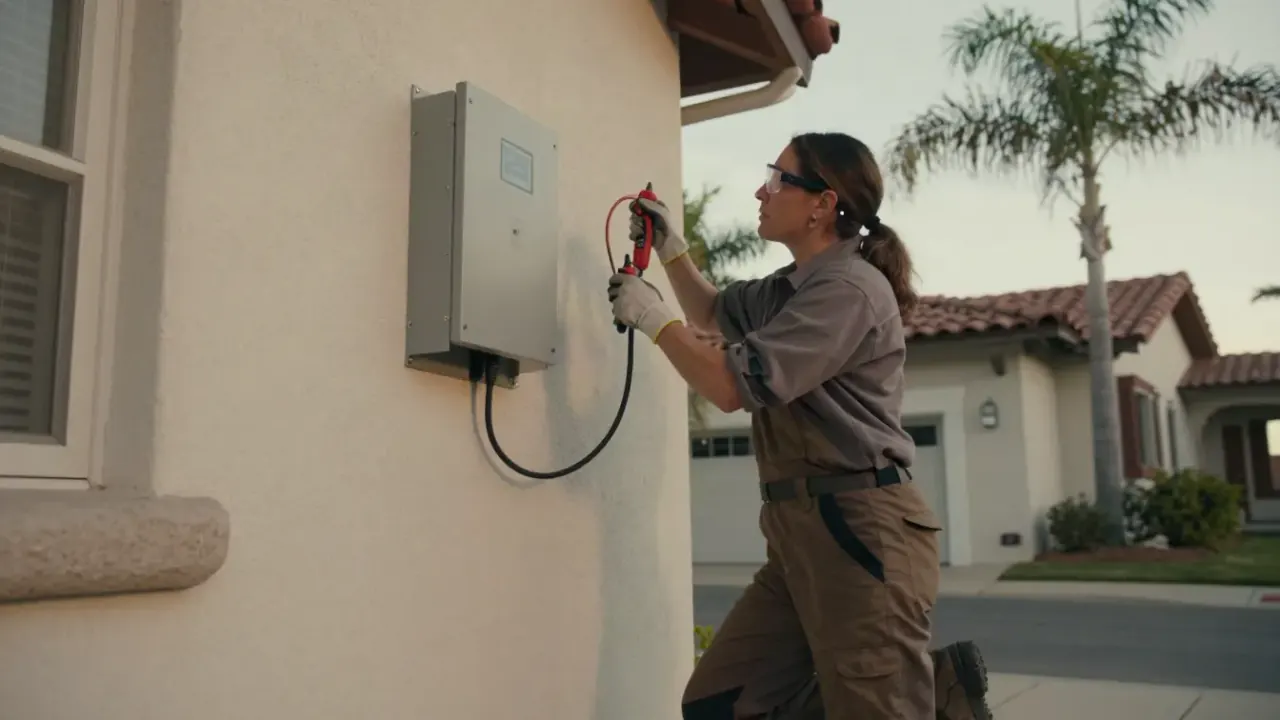
We measure the actual amperage draw, inspect the breaker and lugs for heat damage, and check the panel load against NEC Article 220. Often the fix is re-terminating a loose connection or replacing a worn breaker. If the panel is genuinely undersized, we quote a subpanel. A breaker that trips under load is telling you the circuit is overloaded or a connection is heating up. Ignoring it can melt a terminal or damage the panel, and you cannot charge overnight.
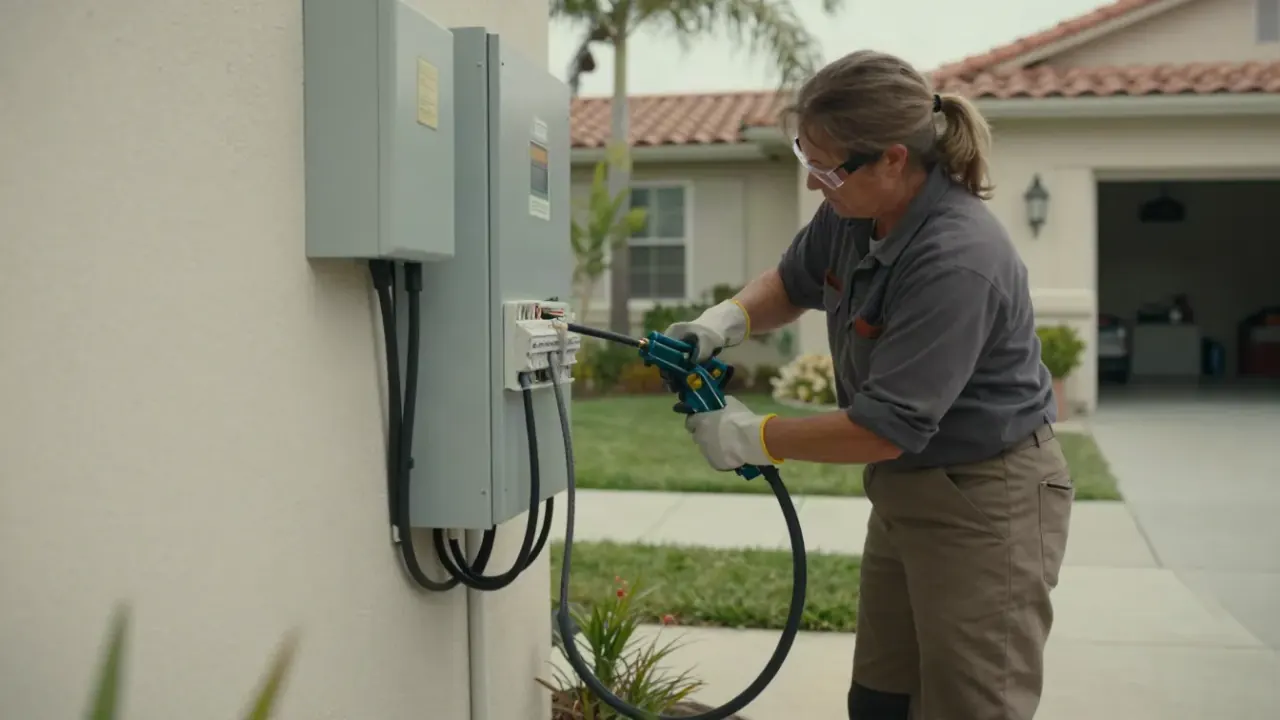
We test the ground path, inspect the cable and holster for damage, and check the charger's error log through its app. On ChargePoint, Wallbox, and Emporia units, many blinking-light faults clear after a ground repair and reset. Most of these calls finish in under two hours. A blinking light usually means ground fault or a communication error, not a dead unit. Left alone, the charger may stop accepting a charge entirely, and you will assume you need a full replacement.
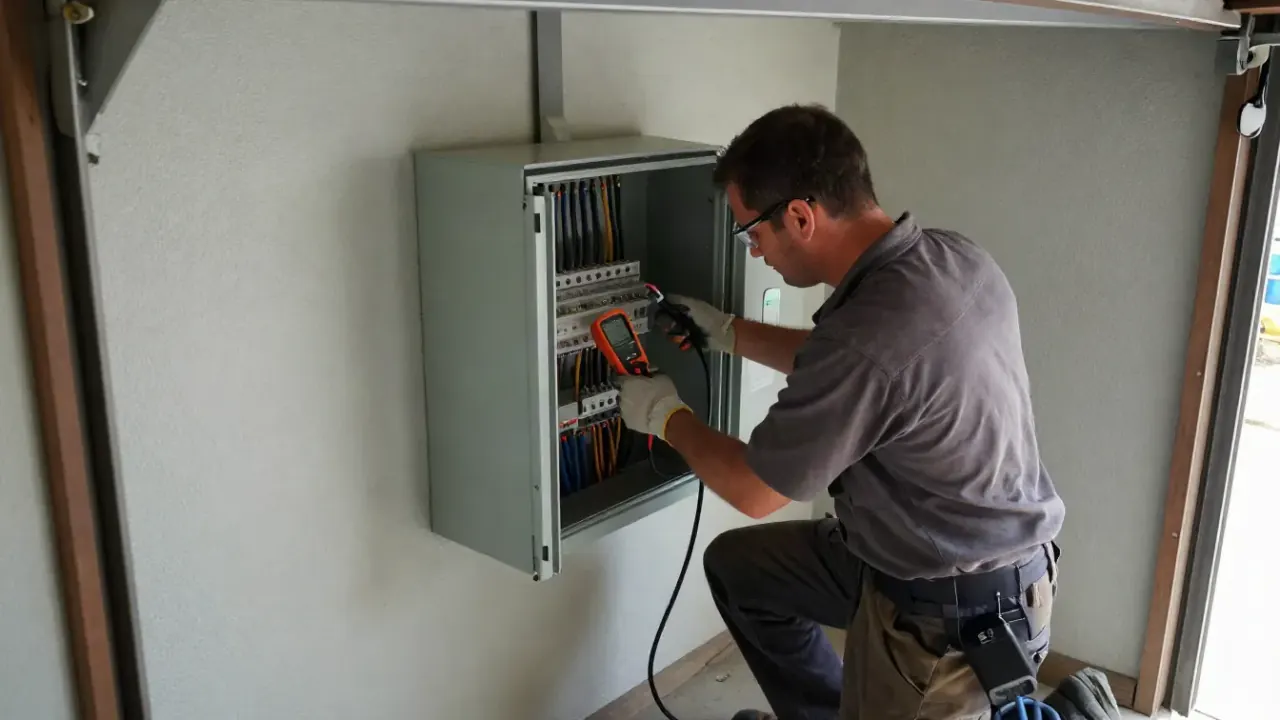
We test voltage at the panel, at the outlet, and at the charger terminals to find where power stops. If the circuit is live and the charger is silent, the unit has failed. If voltage stops at the outlet, we repair the wiring or replace the NEMA 14-50 receptacle. No lights, no click, no charge. This can be a tripped breaker, a failed outlet, a broken wire in the conduit, or a dead charger. Without testing, you cannot tell which, and replacing the charger may not fix it.
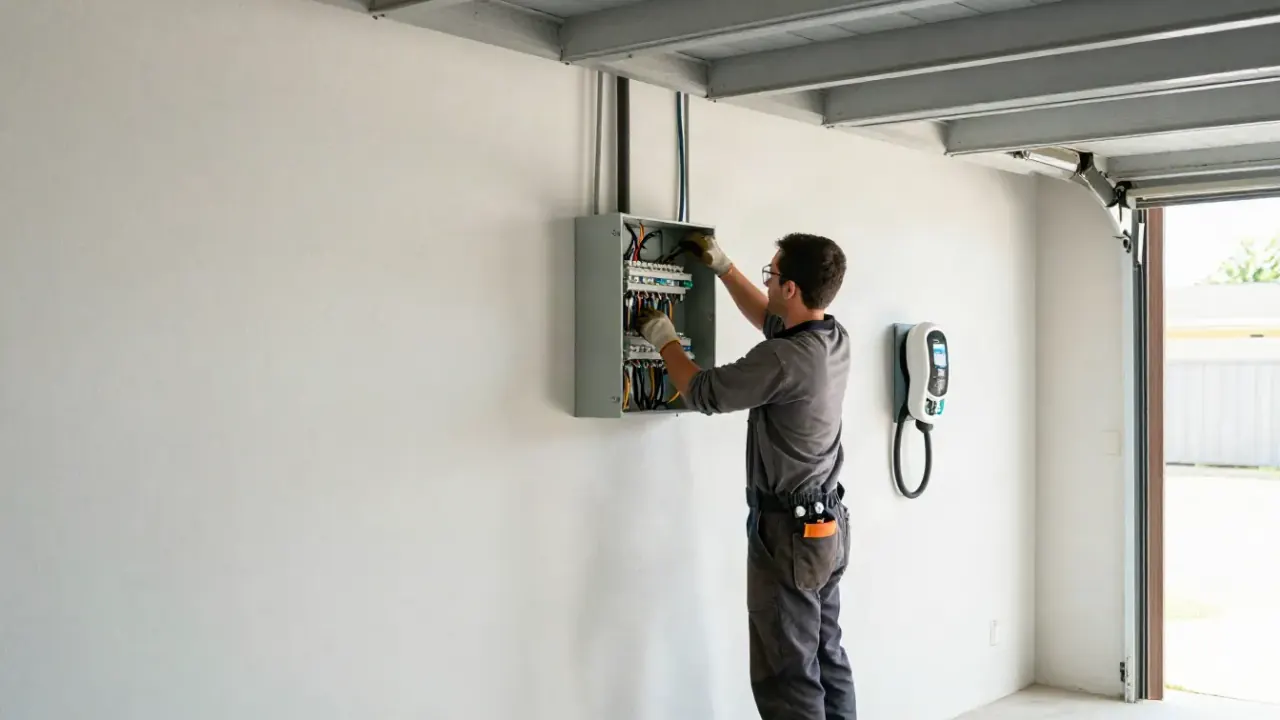
We shut the circuit down, inspect every termination from the breaker to the charger, and look for discolored wire or melted insulation. Loose wiring connections get re-terminated with fresh 6 AWG or 8 AWG copper wire and torqued to spec. We also check the mounting bracket and cable clamp for strain damage. Heat at the charger or panel means resistance, and resistance means a loose or corroded connection. This is the failure that starts electrical fires. Stop charging and call before it gets worse.
We test the breaker, the wiring, and the charger with a multimeter and clamp meter, then tell you what failed. Most Redondo Beach calls get a diagnosis within two hours of arrival. If the fix is a loose connection or a tripped GFCI breaker, we handle it on the spot and you charge that night.
A blinking fault light does not always mean a dead unit. On JuiceBox, Wallbox, and Emporia chargers, we often find a ground fault or a bad holster connection instead of a fried board. Repairing the circuit first saves you $400 to $900 compared with a new charger and install.
Every repair is done to NEC Article 625 and NEC Article 220 standards, with UL Listed parts and a GFCI breaker where the circuit requires one. We torque terminals with a torque screwdriver to spec, because a loose lug is the number one cause of overheating charger complaints we see.
We do not repair a charger onto a circuit that cannot carry it. Each visit includes a panel capacity and load assessment, so you know whether your 100-amp service can support a 40-amp charger or needs a subpanel. That check prevents repeat breaker overload calls.
Typical 2026 pricing for EV Charger Repair and Troubleshooting in Redondo Beach runs $180 to $450 for most repairs, with the diagnostic visit credited toward the work. Simple fixes like a tripped GFCI breaker or a loose terminal sit at the low end. Outlet replacement, breaker replacement, or heat-damaged wire repair land in the middle. If the charger itself has failed, replacement units run $400 to $900 plus installation. We give you the number before we start, so there is no surprise on the invoice. Call (310) 294-5464 for a Redondo Beach EV charging repair service quote.
What your estimate is based on
$180 - $900 depending on scope You get a full circuit diagnosis, not just a charger reset. That means the repair addresses the actual failure, and you know whether your panel can carry the load. Fixing the cause once is cheaper than three visits that only treat the symptom.
Clear records you can keep and share.
What failed and why
Old components handed back
Panel capacity noted for your records
A blinking fault light is a message, not a death sentence. Most chargers are reporting a ground fault or a communication error, and the unit itself is fine.
The charger detected current where it should not be. We test the ground path and the cable before blaming the unit. Repairing the ground often clears the fault.
The charger and vehicle stopped talking. This can be a cable, connector, or software issue. We test the pilot signal and check the charger's error log.
The charger is protecting itself from heat, usually from a loose connection or a hot garage. We inspect terminations and look for discolored wire before resetting.
Outside these areas? Call and ask, we may still cover you. (310) 294-5464
Most repairs run $180 to $450, and the diagnostic visit is a flat fee credited toward the work. A simple fix like a tripped GFCI breaker or a loose terminal sits at the low end. Replacing a NEMA 14-50 outlet, a 240V circuit breaker, or a damaged cable clamp pushes toward the middle. If the charger itself is dead, replacement units run $400 to $900 plus install. We give you the number before we start.
The three most common causes we find are a tripped GFCI breaker, a loose wiring connection at the terminals, and a ground fault inside the charger. Salt air near the beach corrodes terminals faster than inland, and older panels in The Avenues often cannot hold a 40-amp load without voltage drop. We test the circuit and the unit separately, so you know whether the fix is a $200 breaker or a new charger.
We do. Redondo Beach EV Charger Installation repairs Level 2 chargers, Tesla Wall Connectors, and NEMA 14-50 outlets across Redondo Beach, Hermosa Beach, Manhattan Beach, Torrance, and Lawndale. Our techs hold EVITP Certification and work under a CSLB C-10 Electrical License. Call (310) 294-5464 and describe the symptom; we will tell you what parts to expect and when we can get there.
Yes, and a blinking fault light is usually good news. On most ChargePoint, Wallbox, and Emporia units, a blinking light means the charger detected a ground fault or a communication error with the vehicle, not that the unit is dead. We test the ground path, check the cable and holster, and reset the unit. Many blinking-light calls are resolved in under two hours without replacing the charger.
A dead charger does not fix itself, and a tripping breaker is a warning, not a quirk. Call (310) 294-5464 and describe the symptom. We will tell you what parts to expect, what the visit costs, and when a tech can be at your panel. Same-day slots are usually open.
Call us at (310) 294-5464 or send a note and we will get back to you the same business day. Tell us the car, the charger you want, and where it is going, and we can often give you a ballpark before we drive out. We are in Redondo Beach, California and work Los Angeles County daily.